
Tag: DNA
-
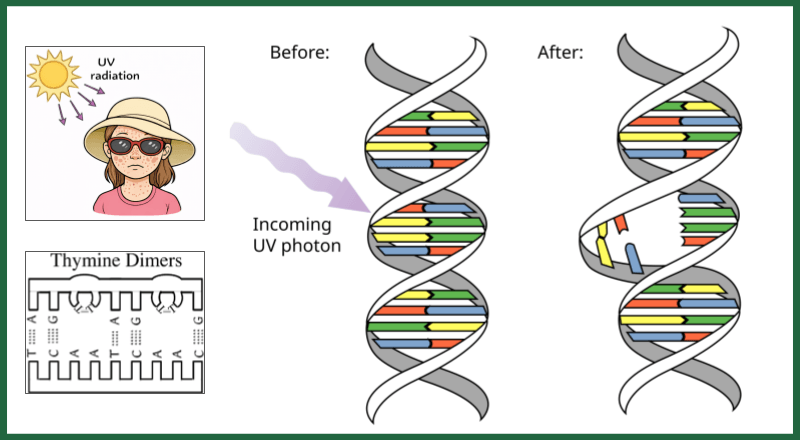
Thymine Dimers & DNA Repair
Teaching DNA damage and repair can feel abstract for students, until they can clearly visualize and apply it. This classroom-ready activity helps students understand thymine dimers and nucleotide excision repair (NER) through diagram analysis, structured questions, and real-world connections. By focusing on how DNA is damaged by UV radiation and how cells fix that damage,…
-
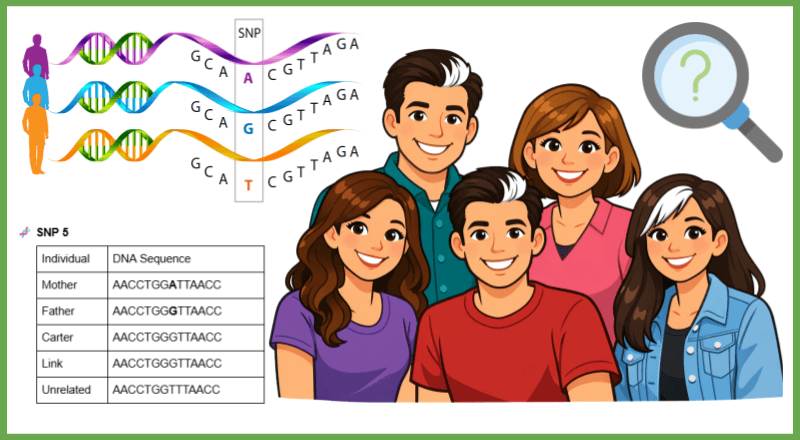
The Case of the Finch Flair: A DNA Mystery
Looking for an engaging way to introduce students to DNA variation, inheritance, and genetic evidence? The Case of the Finch Flair is a classroom investigation that combines SNP analysis, pedigrees, and Punnett squares into a fun genetics mystery your students will enjoy solving. In this activity, students investigate whether a mysterious individual could be related…
-
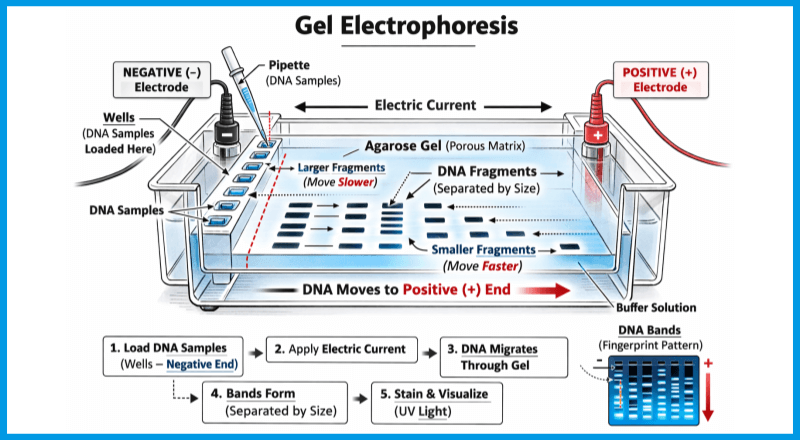
Who Ate the Cheese? A Gel Electrophoresis Simulation
If you’re teaching genetics, biotechnology, or forensic science this year, try 🧀 “Who Ate the Cheese?” This is a student-friendly way to model gel electrophoresis and DNA fingerprinting without expensive lab equipment. This is great for freshman classes who are just learning about biotechnology (and maybe not ready to use expensive equipment.) This activity puts…
-
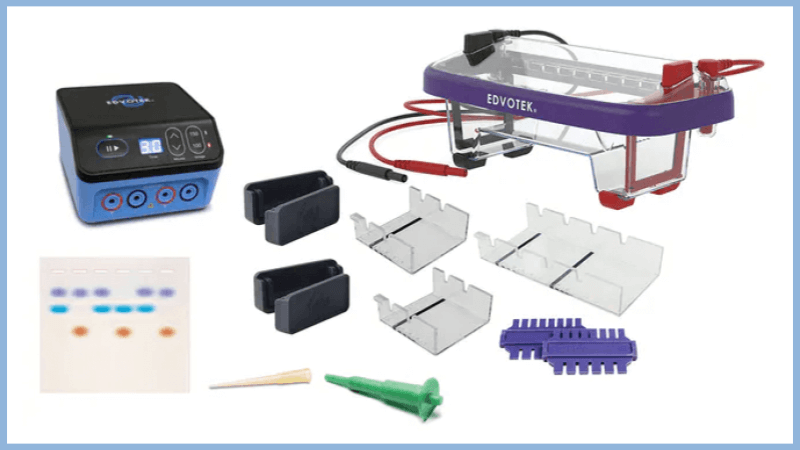
Solving Crimes with DNA and Electrophoresis
DNA analysis has become a cornerstone of modern forensic science. Because every individual (except identical twins) has a unique DNA profile, scientists can use DNA evidence from crime scenes to help identify suspects or eliminate individuals from suspicion. One common method for comparing DNA samples is gel electrophoresis, a technique that separates DNA fragments based…
-
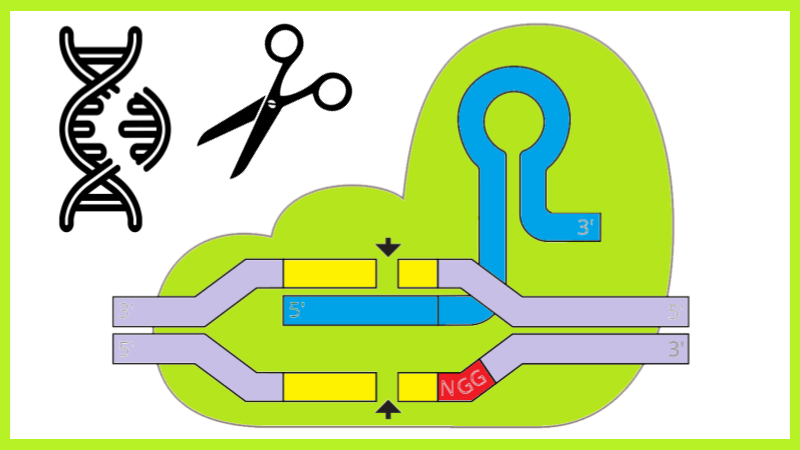
How Does CRISPR Work? A Coloring Activity
Gene editing might sound complex, but what if you could color your way to understanding it? CRISPR-Cas9 is a gene-editing tool that allows scientists to precisely cut and modify DNA. Inspired by a natural defense system in bacteria, CRISPR uses a guide RNA (gRNA) to direct the Cas9 protein (a molecular scissor) to a specific…
-
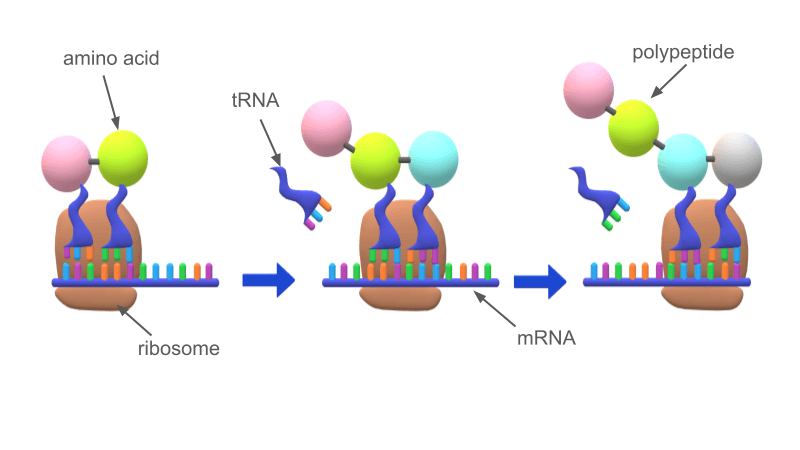
Reinforcement: RNA and Protein Synthesis
Master protein synthesis with our comprehensive practice worksheet! Practice your understanding of mRNA, rRNA, and ribosome function.
-
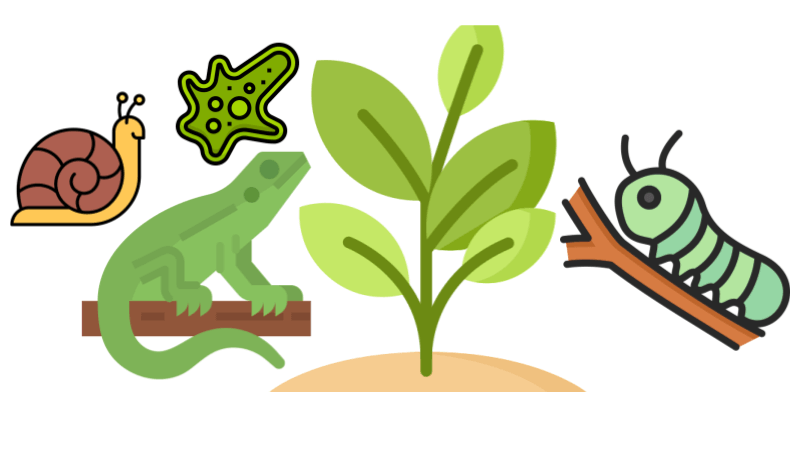
Characteristics of Life
Students read descriptions of animals and match to one of the characteristics of life: energy, cells, DNA, growth, response, and homeostasis.
-
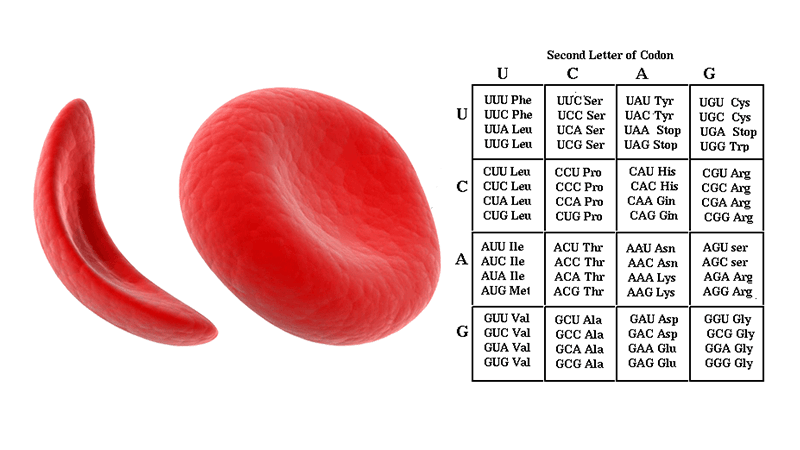
Investigation: DNA, Proteins, and Mutations
Explore DNA mutations by transcribing and translating DNA code. Changes in the code result in point mutations, frameshift, and nonsense mutations.
-
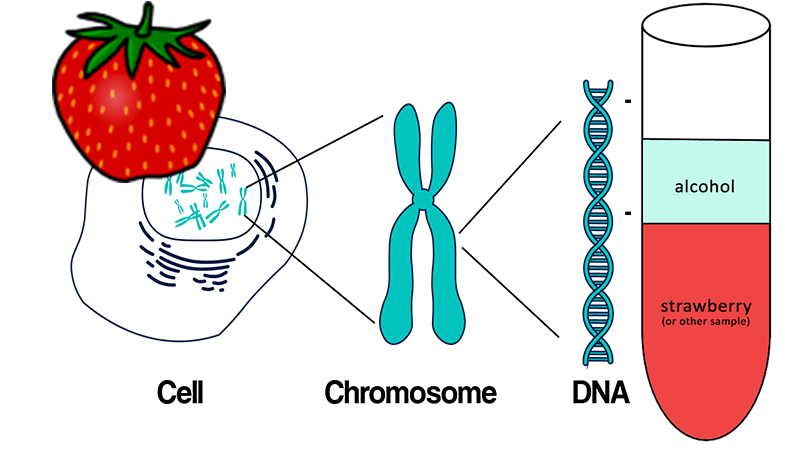
Investigation: Compare DNA from Different Samples
Students extract DNA from several samples of fruit, like strawberries and kiwi, and then discuss why some have more DNA than others.