
Tag: activity
-
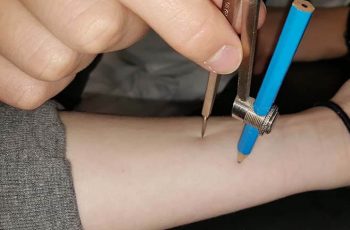
Investigation: Two Point Discrimination Test
Students investigate the sensitivity of different areas of the skin using a mathematical compass to stimulate mechanoreceptors. The procedure asks students to place the points of the compass on different areas, such as the forearm and the palm and have a test subject report whether one point is being felt or two points. The compass…
-
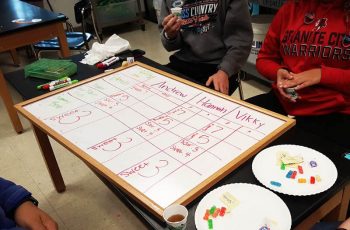
Investigation: Taste Buds and Signal Transduction
As a part of the chapter on cell signal pathways, students perform a lab that examines how their taste buds are affected by Gymnema. For this lab, I simply placed a question on the board “How does Gymnema tea affect your ability to taste sweet foods?” I provided them with a list of…
-
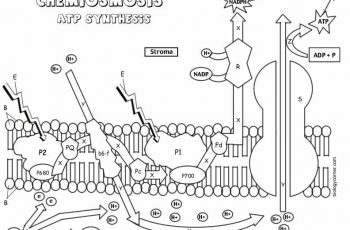
Photosystems and Chemiosmosis Coloring
Use this coloring worksheet to explore how plant cells harvest energy form the sun to generate ATP in the process known as chemiosmosis.
-
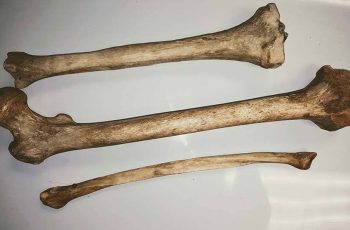
Data Analysis – Stature and Bone Length
Does the length of a person’s legs and arm bones correlate to the height of the person? The following graph shows a scatterplot of lengths of the humerus, tibia, femur and tibia. Examine the graphs shown below. What CLAIMS can be made to answer the question? Summarize the EVIDENCE shown in the graphs. Develop a…
-
Macromolecules: Sketchnotes
In the past, I’ve had students create concept maps to help them organize the four macromolecules and related details. This year, I modified the assignment to try to encourage the use of sketching to help students remember the details. Students were asked to focus on one of the four macromolecules: lipids, carbohydrates, nucleic acids, or…
-
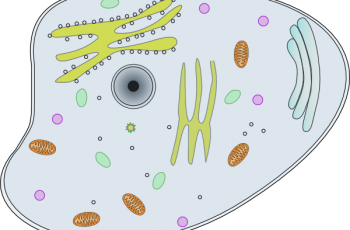
Investigation: Why Are Cells So Small?
This activity requires students to practice math skills by measuring the surface area and the volume of boxes. Collect boxes for students to use, these can be any type of box, such as tissue boxes, food boxes, or shoe boxes. Ideally, you want a range of sizes, with at least one box being overly…
-
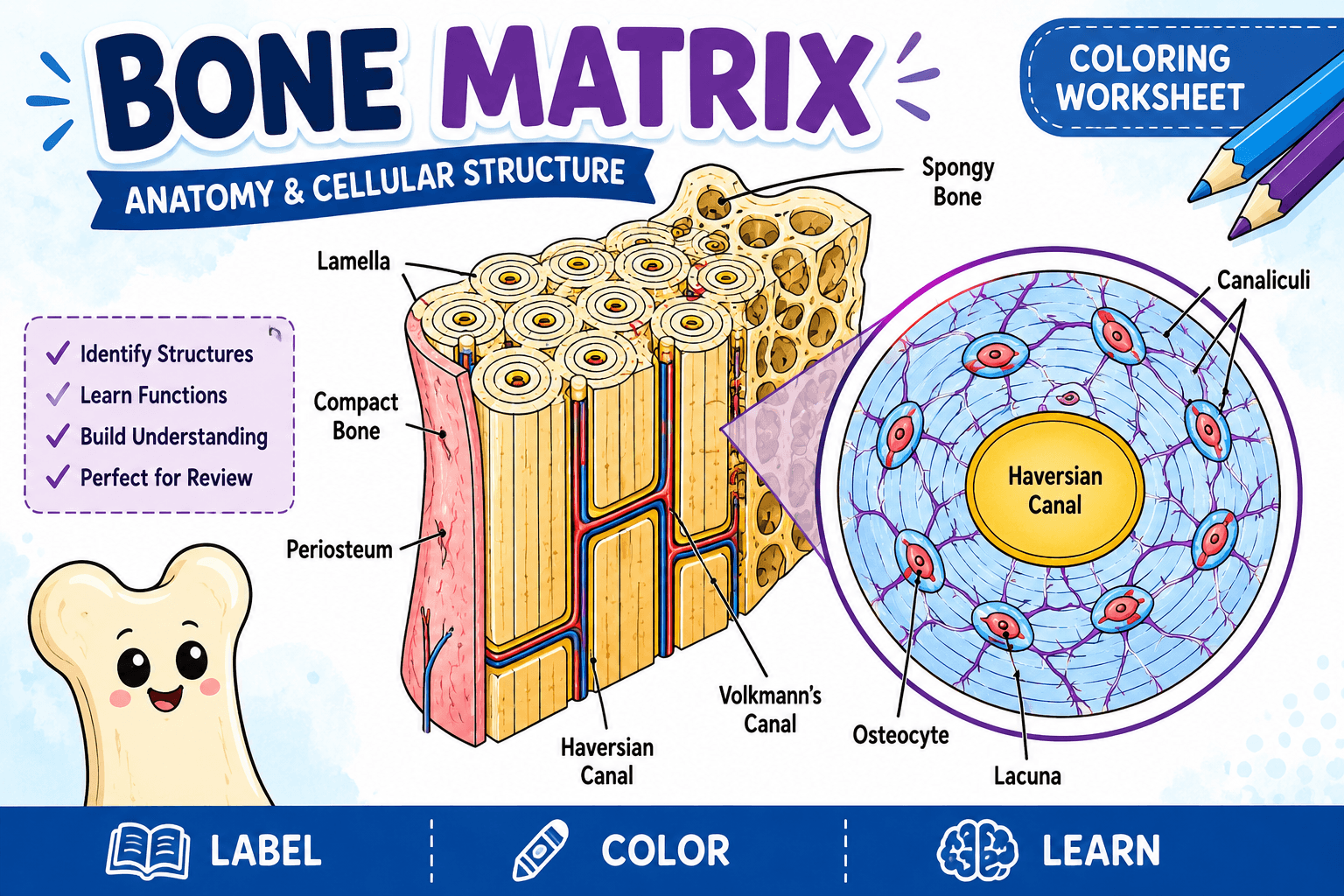
Color the Bone Matrix
Anatomy students learn about the skeletal system, where they examine bones and how the bones fit together to make up an entire skeleton. In addition, some courses also explore bone tissue and how bone is formed and repaired. The bone matrix is the hard, supportive material that makes up most of a bone’s structure.…
-
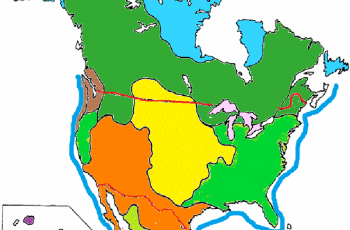
Color the North American Biomes
This coloring activity is suitable for beginning biology students who are learning about the plants and animals found in each major biome. The worksheet does require a basic geography knowledge, which I found somewhat lacking in my freshman students. I usually place a large map of North America on the overhead projector for students…
-
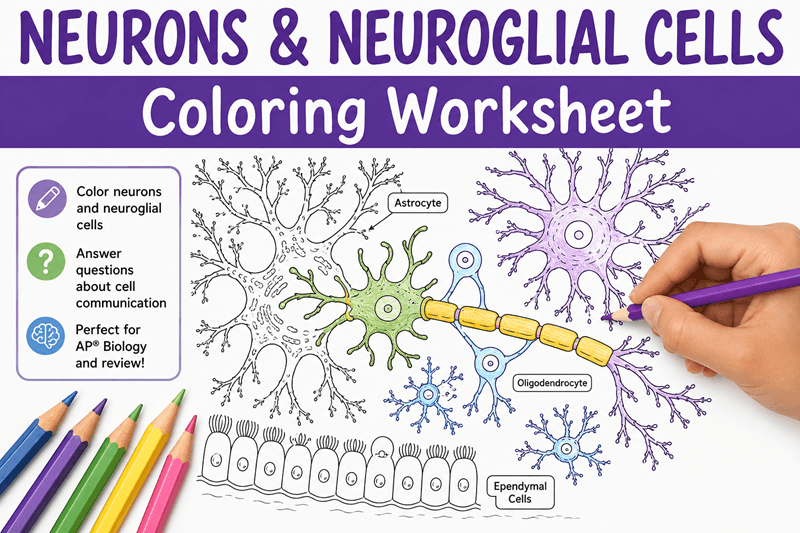
Color the Neuron and Neuroglia
Students can practice what they have learned about neurons with this simple coloring activity. The page shows features of the neuron, such as the axons and dendrites. They will also color the supporting cells of the matrix. There are no instructions, students must identify each of the types of glial cells: oligodendrocytes, astrocytes, microglial cells, ,…