
Search results for: “teacher”
-
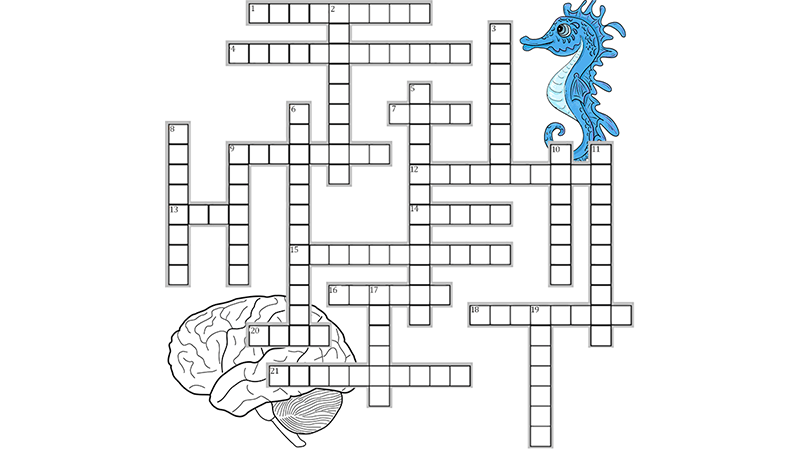
Brain Crossword
Students can practice their knowledge of the brain by completing this crossword puzzle. The puzzle includes information about the lobes of the brain (frontal, occipital, parietal, and temporal) as well as specific structures within the brain and their function. The terms are intended for students of anatomy and physiology, where they must explore details of…
-
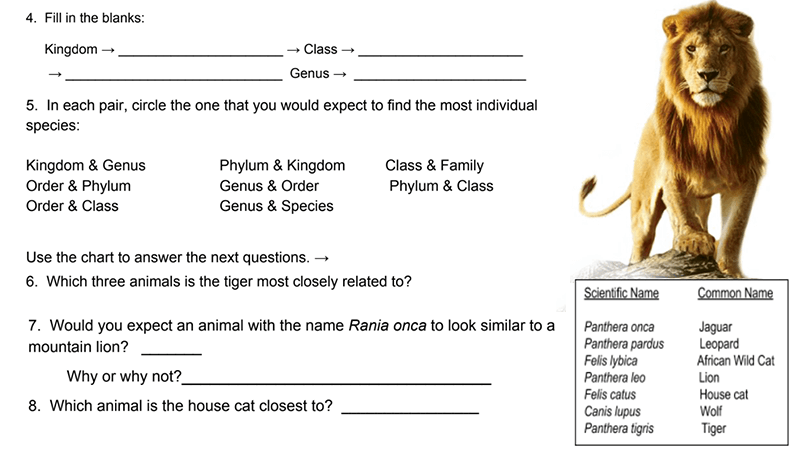
Practice with Taxonomy
Though Next Generation Science Standards does not emphasize the memorizing of major groups anymore, students can benefit from learning the basics of how animals are classified. Taxonomy is often introduced with evolution, where students learn how to analyze phylogenetic trees and create cladograms. This worksheet is a simple reinforcement exercise that covers the six kingdoms…
-
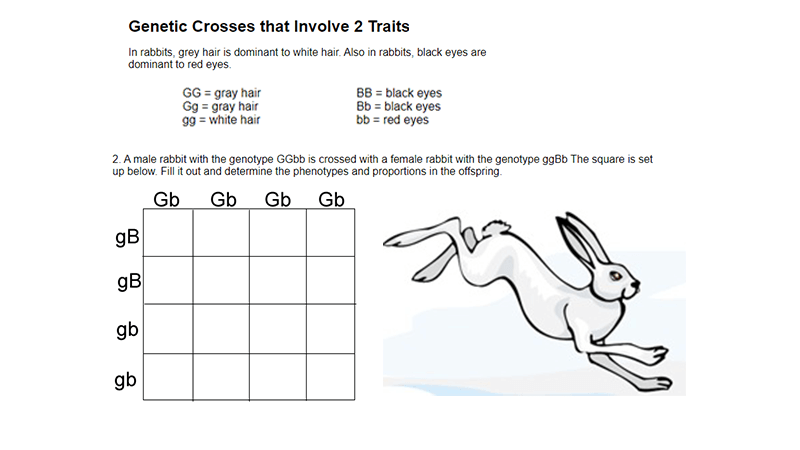
Genetic Crosses – 2 Traits
This worksheet was designed for freshman learning dihybrid crosses. Students struggle with setting up Punnet squares, so the squares are set up for them at first. Students only need to fill in the letters of the genotype can determine the phenotype proportions. A final task requires students to set up their own 4×4 square when…
-
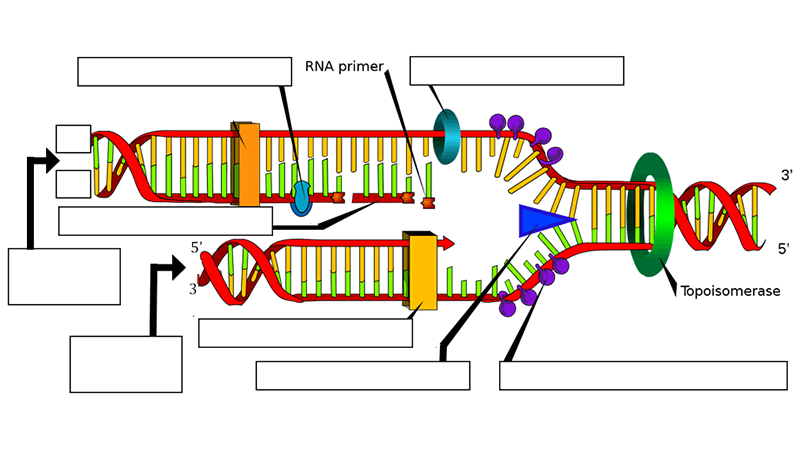
Label Steps of DNA Replication
For freshman, DNA replication is only covered in basic terms, where students are told that the process is semi-conservative and leads to the production of two new identical strands. AP Biology students are required to learn te steps of DNA replication and the roles that enzymes like DNA polymerase, helicase, and ligase, play in the…
-
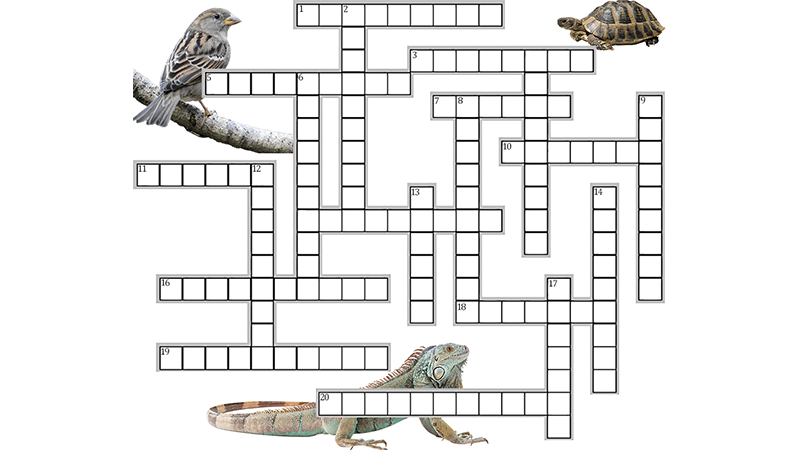
Evolution Crossword
This simple worksheet is designed to help students with vocabulary and study for their test over the Theory of Evolution by Natural Selection.
-
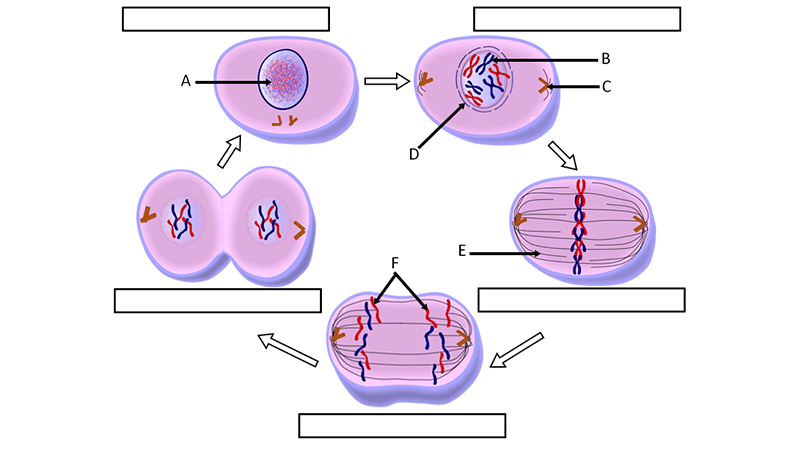
Cell Cycle Label
This worksheet was created for freshman level biology and is a simpler version of a worksheet I use in the advanced classes showing the cell cycle. The image shows a cell in interphase, prophase, metaphase, anaphase, and telophase. Students label each phase and then identify structures within the cell that are important for cell division,…
-
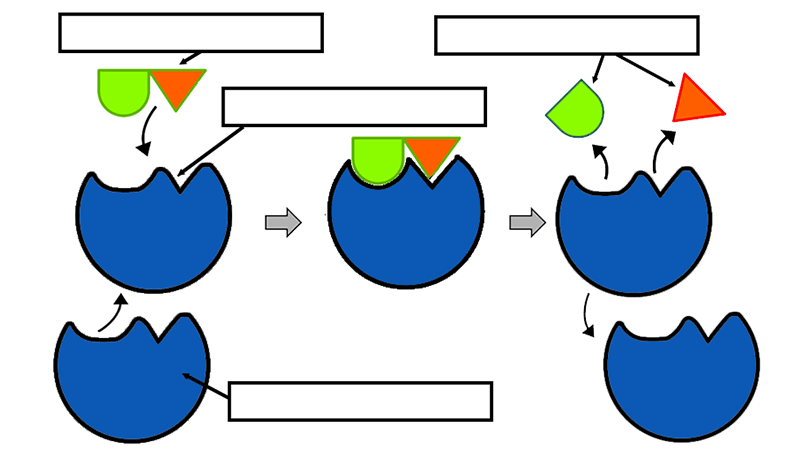
Exploring Enzymes by Analyzing Graphics
Students examine several images related to enzymes and answer questions. Worksheet covers how enzymes act on substrates, how they lower the activation energy of a reaction, how they have optimal temperature and pH, and how they can be inhibited.
-
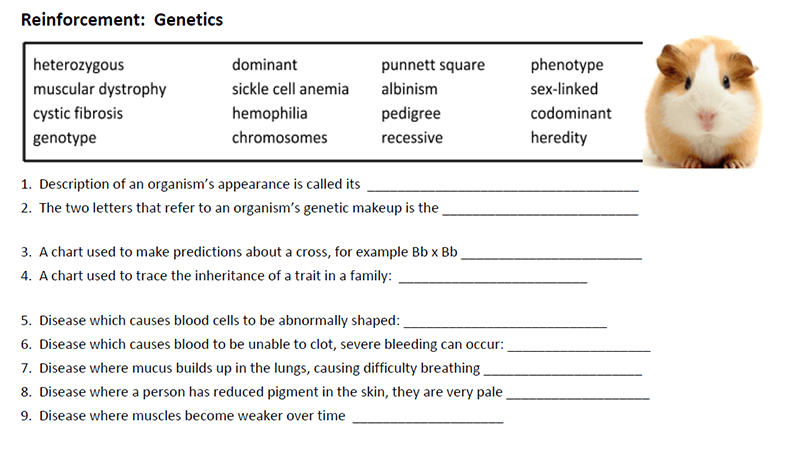
Reinforcement: Genetics
This exercise was created for an intro bio class though it would also be appropriate for other levels or students who struggle with basic vocabulary. The word list includes terms such as: phenotype, genotype, heterozygous, dominant, and recessive. Also included on the list are several genetic disorders like hemophilia and sickle cell. The worksheet was…
-
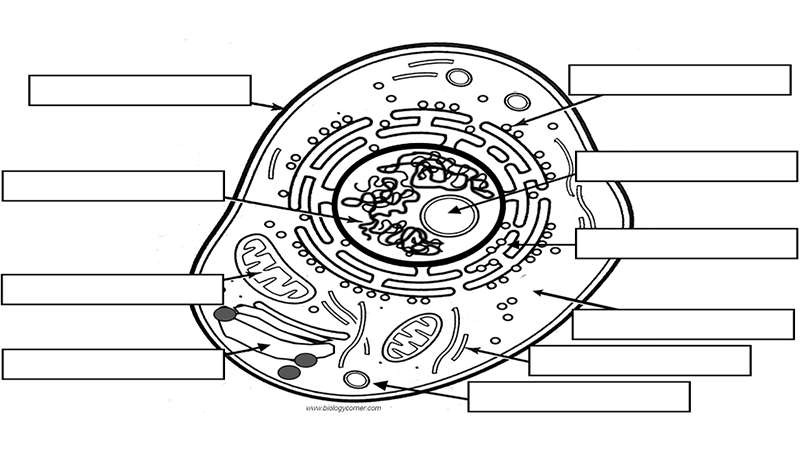
Reinforcement: Cell
This is a practice worksheet for students who are learning structures found in the cell. A list of terms can be matched with descriptions and definitions. The same terms can be used to label a diagram of an animal cell. I use reinforcement worksheets for review or remediation. I will give students 10 minutes to…
-
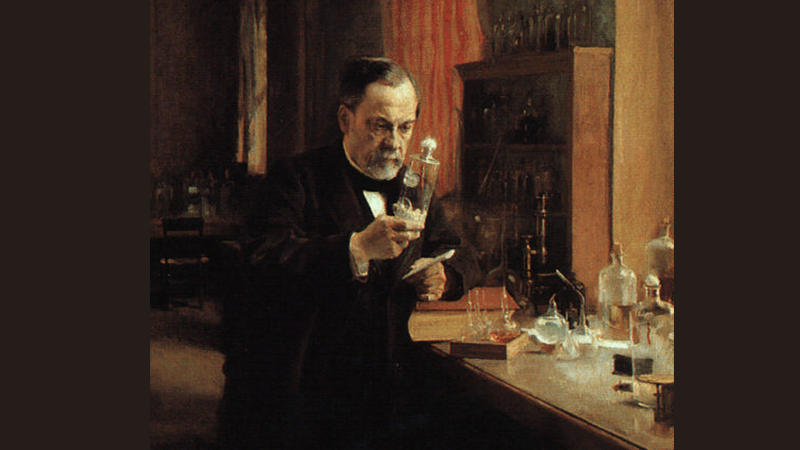
Early Discoveries – CER
Explore historical scientific discoveries, like Pasteur’s experiments to learn about the scientific method.
-
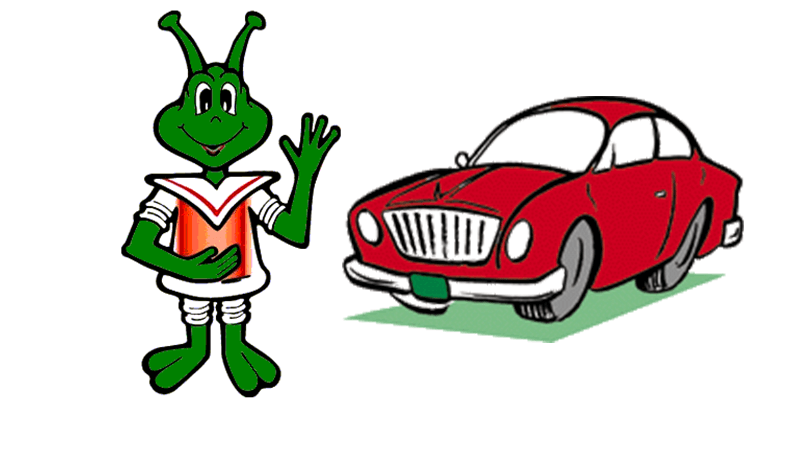
The Martian and the Car
This worksheet is one of the older ones in my collection, and was recently updated to include a Claim-Evidence-Reasoning section (instead of short response/essay). This a a great way to introduce the topic of life and how we define whether something is living or not. In this scenario, a Martian is observing earth and decides…
-
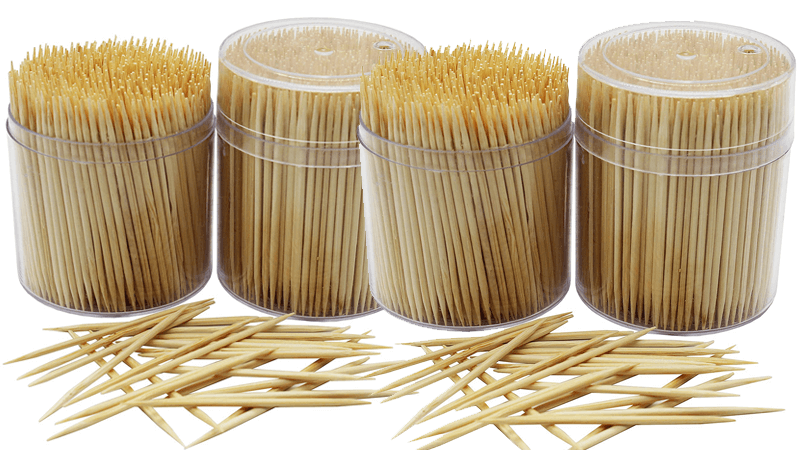
Investigation: Model Enzyme Activity with Toothpicks
Use toothpicks to model enzymes. Explore substrate and enzyme concentrations by changing toothpick numbers. Model competitive inhibition by taping fingers.
-
OpenStax Reading Guides
I use Openstax Biology 2e as a textbook for my AP Bio and dual credit class. Students can download this text for free, view it on their devices and print it out. You can even purchase a bound copy from Amazon for around $60, which is very reasonable for a textbook. This is the book…
-
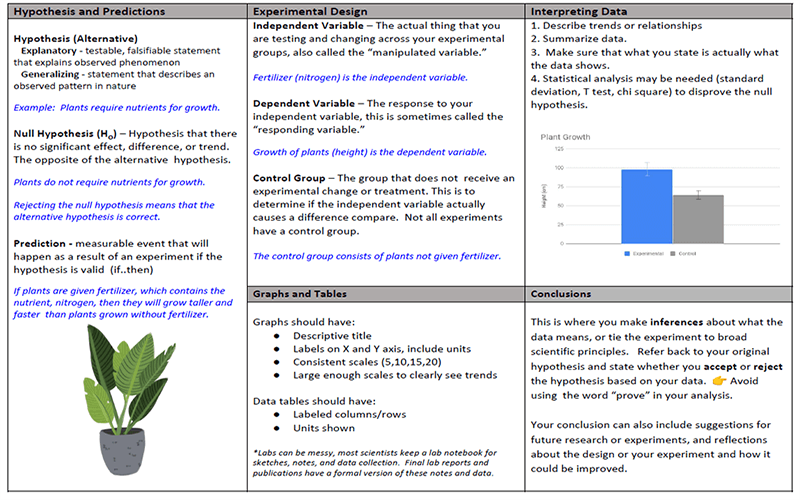
Experimental Design
Students in most science classes start with an overview of scientific processes. For advanced students, I use this cheat sheet to remind them of the major features of the scientific method, such as a control group, dependent and independent variables. AP Bio students are also introduced to the concept of the null and alternative hypotheses…
-
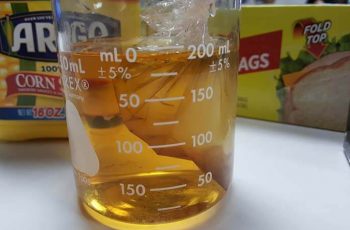
Storylab: Diffusion
This story is written from the perspective of a student who in experiencing the real lab. It describes how the lab is set up, by placing a bag filled with starch in a beaker full of iodine. The teacher in the story explains relevant terms, such as semipermeable, diffusion, and indicators.