
Search results for: “advanced”
-
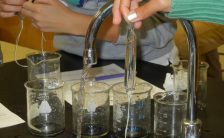
Investigation: Osmosis and Water Potential
Students models osmosis using dialysis tubes that contain different concentrations of sucrose. The tubes will gain water dependent upon the molarity of solution they are placed in. You can make sucrose solutions with table sugar, and instructions are included in the teacher’s guide to the lab. The second part of the investigation determine the…
-
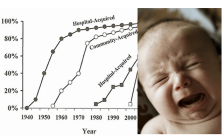
Case Study: How Do Bacteria Become Resistant?
Students analyze data regarding methicillin and penicillin resistant bacteria, focusing how hospitals inadvertently drive the evolution of resistant strains. Each section of the case explores an aspect of dealing with bacteria, including sanitation, analyzing agar plates uses the Kirby-Bauer disk method and concludes with students suggesting plans for reducing the incidence of MRSA in hospitals. With…
-
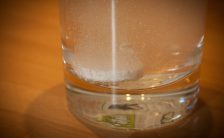
Investigation: Plop Plop Fizz Fizz
This investigation asks beginning students to develop a hypothesis about how quickly an effervescent tablet will dissolve and then design an experiment.
-
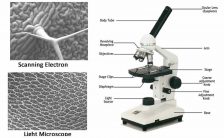
Investigation: Microscope Lab for AP Biology
Activity begins with an overview of different types of microscopes. Students learn to focus objectives, measure the viewing field, and create a wet mount.
-

Stickleback Fish – An Evolution Story
Students to examine two lakes and compare the types of fish in each. They learn how lakes form, and why spines may be an advantage for some populations.
-
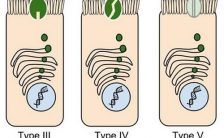
Case Study – Cystic Fibrosis
This case study explores the relationship between the cell membrane and breathing difficulties that occur as a result of the genetic disorder cystic fibrosis.
-
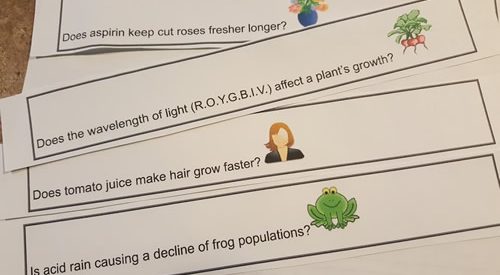
Scientific Method Scenarios
students work in groups to develop an experiment that answers a question. Students design the experiment, and must also identify the a control group and the independent and dependent variables in their experiment.
-
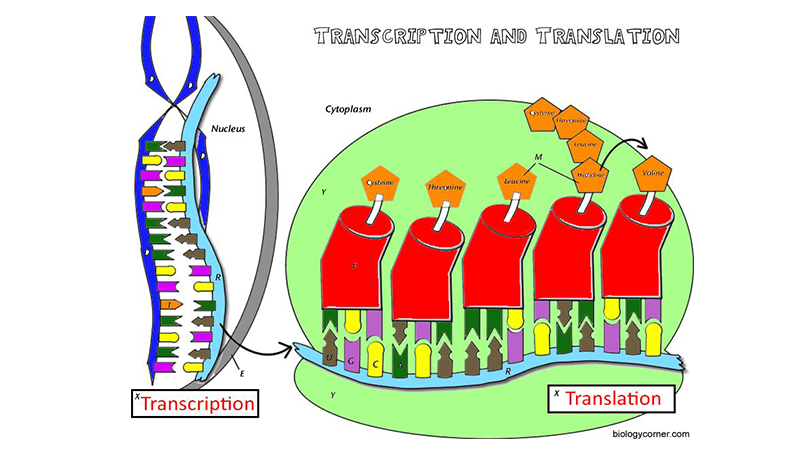
Learn Transcription and Translation by Coloring
Graphic shows the process of transcription and translation. Color the parts of the model as your learn about them!
-
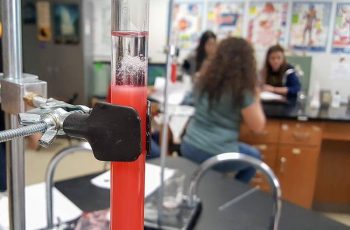
Simple Experiment to Extract DNA from a Strawberry
Crush strawberries and use detergent to break the cell wall, releasing DNA. Alcohol is then poured slowly over the top of the solution and DNA will rise to the surface.
-
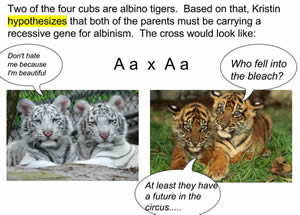
Chi Square Analysis
The new Advanced Placement Biology curriculum includes a few topics on statistical analysis under the section on Science Practices: “Students can use mathematics appropriately.” Most introductory level biology classes (freshman) do not include these lessons because it can be difficult with students who haven’t advanced very far in algebra. Seniors in AP Biology should…
-
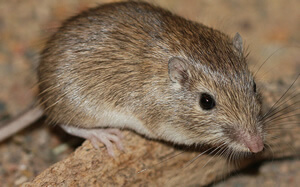
Teaching Evolution Using Animal Models
Most evolution units start with a history of evolutionary thought, where scientists of the past, like Darwin, Linnaeus, Larmarke, and Wallace, are discussed with regard to their contributions to evolutionary theory. If you’re not careful, you can end up spending too much time on the history, talking about the Voyage of the Beagle and the…
-
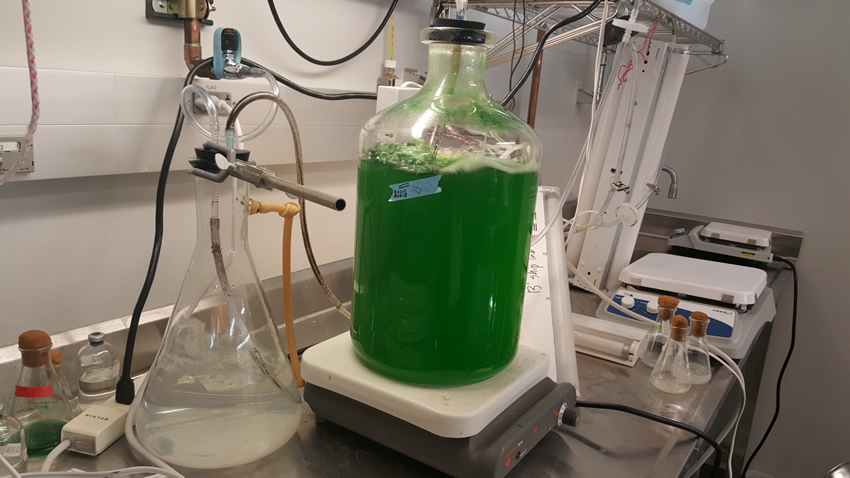
Can Bacteria Be Designed to Create Gasoline?
I’ve heard the term “biofuel” before, and that usually conjures up images of corn fields and ethanol. I recently attended a lecture at Washington University presented by Fuzhong Zhang. The title of the workshop was quite intimidating: “Synthetic Regulatory Systems for Dynamic Metabolic Pathways.” Teachers don’t just spend our summers lazing about at the pool!…
-
How to Make Group Activities and Grading Fair
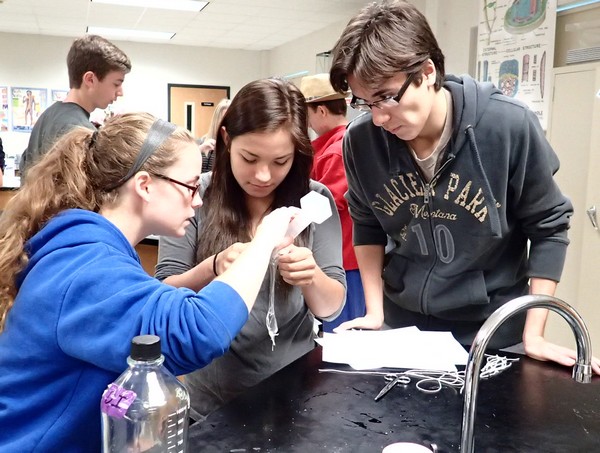
During the cell unit of Advanced Placement biology, students are required to do three investigations (labs): Diffusion and Osmosis, Photosynthesis, and Cellular Respiration. Students work in groups of 3 to 4 to work through these investigations and analyze data. I often have them only turn in ONE copy of the lab guide because as a…
-
How to Create Your Classroom Seating Chart
Ideas for assigning seats in the classroom on the very first day without the awkward role call.
-
Why I’m Changing My Classroom Phone Policy
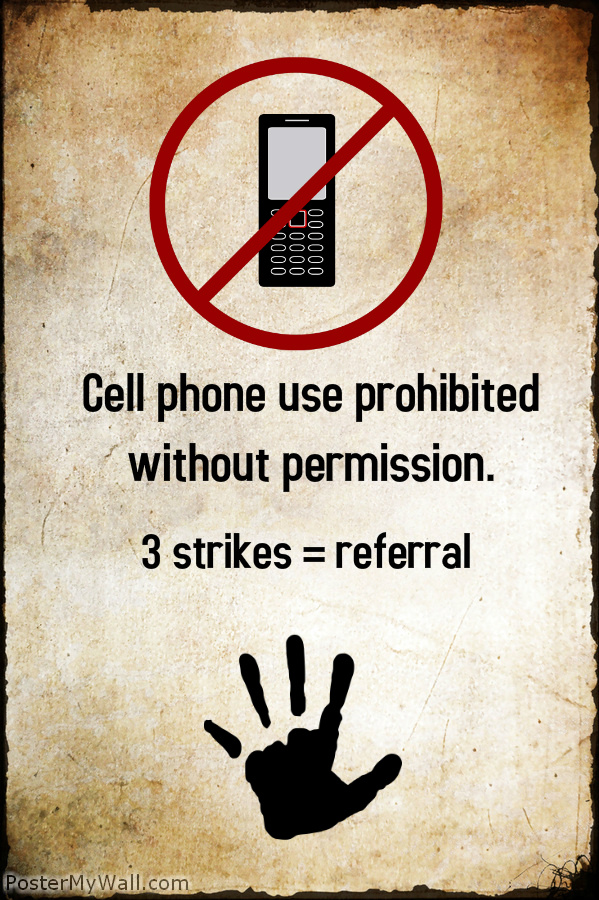
Last year, I decided to run a social experiment with my honors class. This was a small class of 18 students taking Advanced Placement Biology, with a mix of juniors and seniors. The experiment was to see if these digital natives could handle having an open policy on cell phones. I allowed them…