
Search results for: “advanced”
-
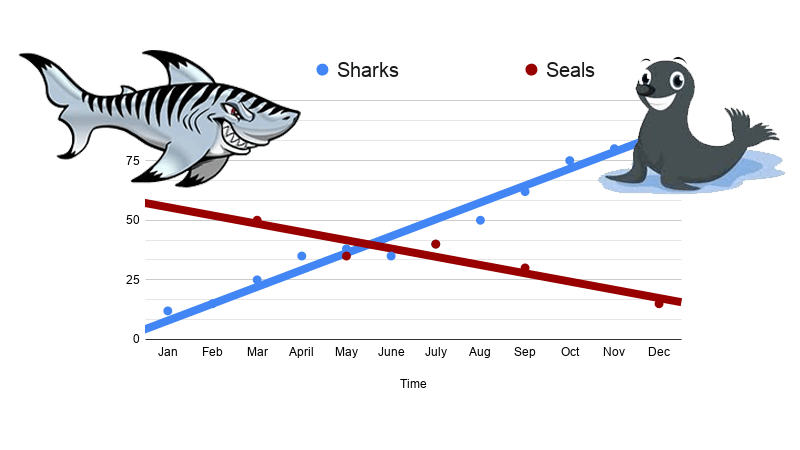
CER – Data Analysis with Sharks
Shark data by month where students make a LINE graph to show how the population changes over time. Students complete a CER to discuss results.
-
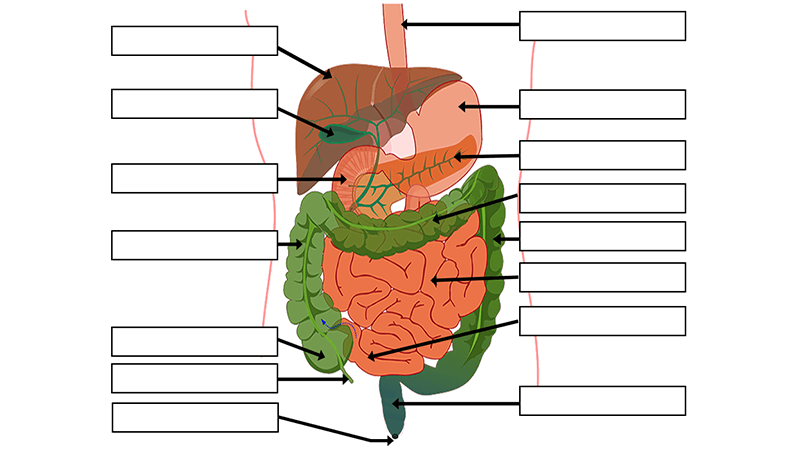
Label Digestive System
This worksheet was designed for anatomy students to practice labeling the organs of the digestive system. It is a little more advanced than what is typically seen in health or basic biology classes because it includes the three sections of the small intestine (duodenum, jejunum, ileum) and the three sections of the colon. (Note: I…
-
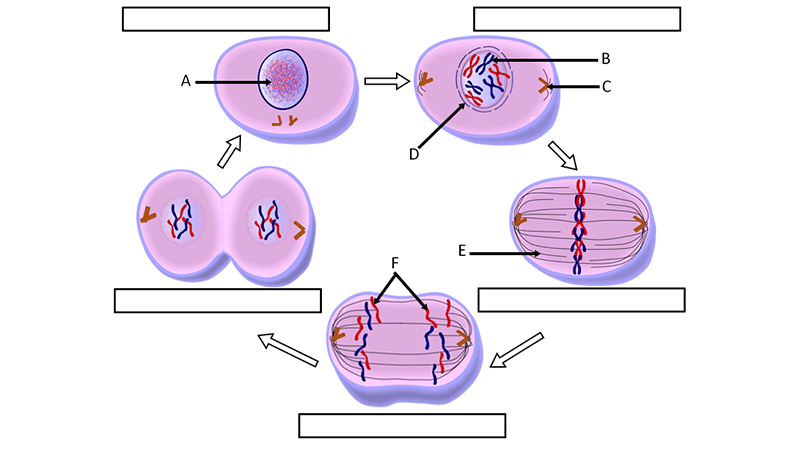
Cell Cycle Label
This worksheet was created for freshman level biology and is a simpler version of a worksheet I use in the advanced classes showing the cell cycle. The image shows a cell in interphase, prophase, metaphase, anaphase, and telophase. Students label each phase and then identify structures within the cell that are important for cell division,…
-
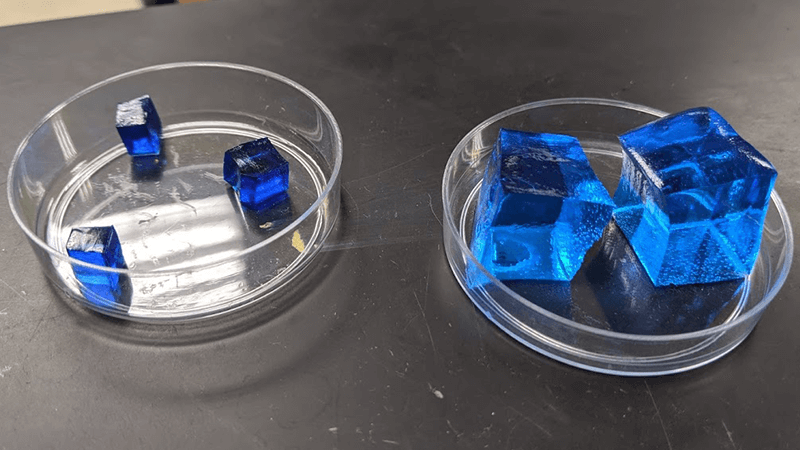
Modeling Osmosis
This basic lab uses Deco-cubes to show how they change in size when soaked in salt water, distilled water, and tap water.
-
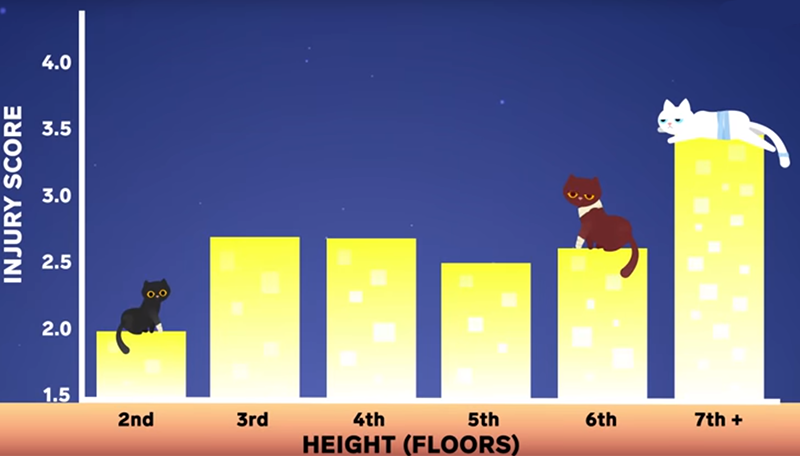
Falling Cats – CER
Students practice Claim, Evidence, and Reasoning (CER) while examining the relationship between falling height and cat injuries. The graphs show that cats who fall 2-7 stories often suffer more injuries than cats who fall from greater distances. Not much information is given about how the data was collected, though the original source is included, I…
-
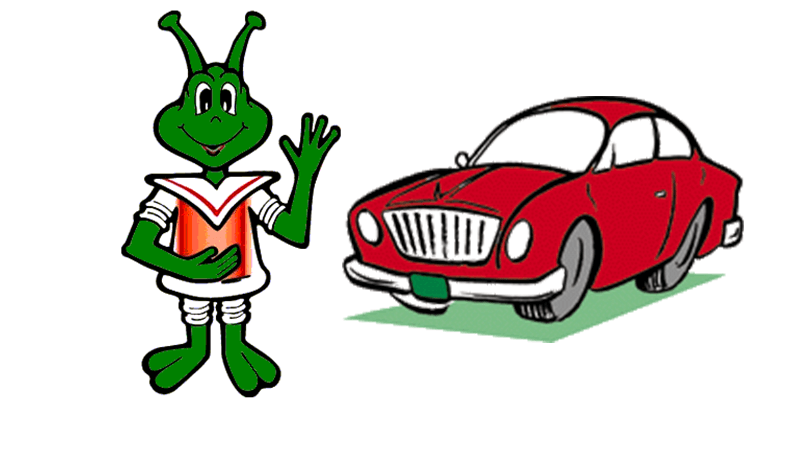
The Martian and the Car
This worksheet is one of the older ones in my collection, and was recently updated to include a Claim-Evidence-Reasoning section (instead of short response/essay). This a a great way to introduce the topic of life and how we define whether something is living or not. In this scenario, a Martian is observing earth and decides…
-
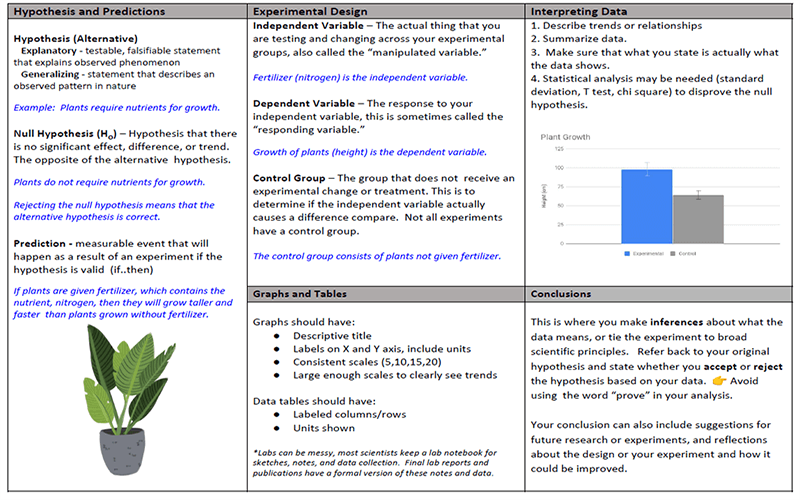
Experimental Design
Students in most science classes start with an overview of scientific processes. For advanced students, I use this cheat sheet to remind them of the major features of the scientific method, such as a control group, dependent and independent variables. AP Bio students are also introduced to the concept of the null and alternative hypotheses…
-
Genetics: Sexy Chickens
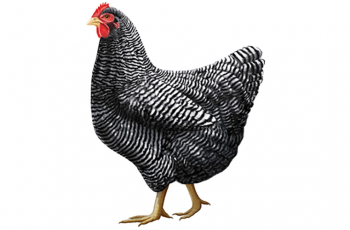
This worksheet was designed for advanced students of biology or for honors students who are ready for an extra challenge. Birds have a ZW sex determination system instead of the XY system seen in humans. If your students have a good grasp on sex-linked traits in humans, then this scenario is a way to really…
-
How is Glucose Taken Up by Cells?
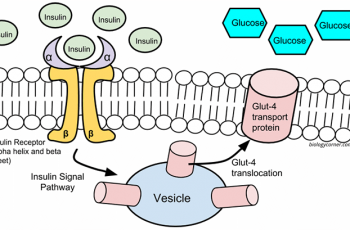
This worksheet takes a closer look at the cell membrane and how insulin binds to the receptor on the cell membrane which creates a signal cascade, resulting in the movement of the Glut-4 transport protein to the surface of the cell. Students interpret a graphic showing the membrane, receptors, and the Glut-4 transport protein.
-
Dogs Decoded – Nova Video
One of my favorite evolutionary videos is this Nova production on dogs, called “Dogs Decoded.” This is a great program to bridge the topic of genetics to evolution. The program starts by examining the unique relationship humans have with dogs, and how dog evolution was shaped by that relationship.
-
Penny Lab: Soap and Surface Tension
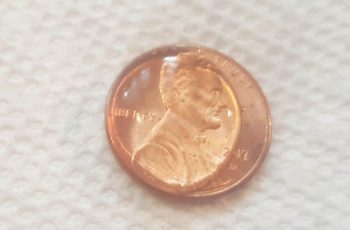
Most science classes begin the year with an exercise on the scientific method. It can be difficult to plan a short activity that will reinforce the main ideas of developing and testing a hypothesis. This lab is simple and doesn’t require much in the way of materials: pennies, water, and pipettes (and paper towels for…
-
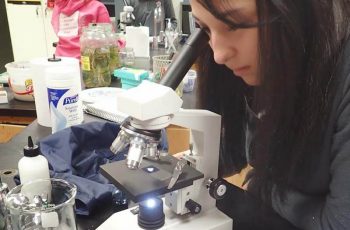
Microscope Labeling
This simple worksheet pairs with a lesson on the light microscope, where beginning biology students learn the parts of the light microscope and the steps needed to focus a slide under high power.
-
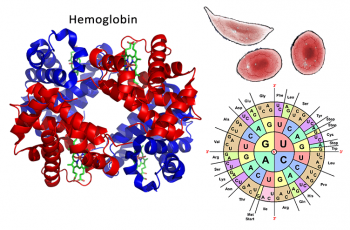
DNA, Proteins, and Sickle Cell
In this activity, students use a codon chart to compare the DNA sequence of HbA (normal hemoglobin) to HbS (sickle cell). The DNA differs in a single base, where the codon for normal hemoglobin codes for glutamine, and the mutant form codes for valine.
-
Dog SNPs and Curly Hair
In an effort to add more real data to the DNA (genetics) unit, I added a shortened form of the HHMI activity: “Mapping Genes to Traits in Dogs Using SNPs” The activity on HHMI is too advanced for freshman level biology, but I thought it would be a good introduction to DNA sequences. The activity…
-
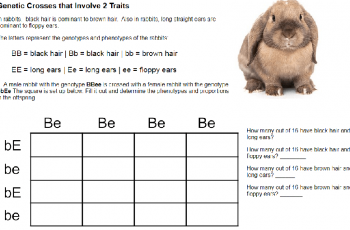
Genetic Crosses with 2 Traits with Rabbits
Beginning biology students can struggle with dihybrid crosses and setting up Punnett squares that have two traits. When tackling this concept, make sure students are familiar and competent with basic genetic crosses and setting up Punnett squares for a single trait. For example, a tall (Tt) plant is crossed with a short plant (tt). Once…