
Category: Genetics
-
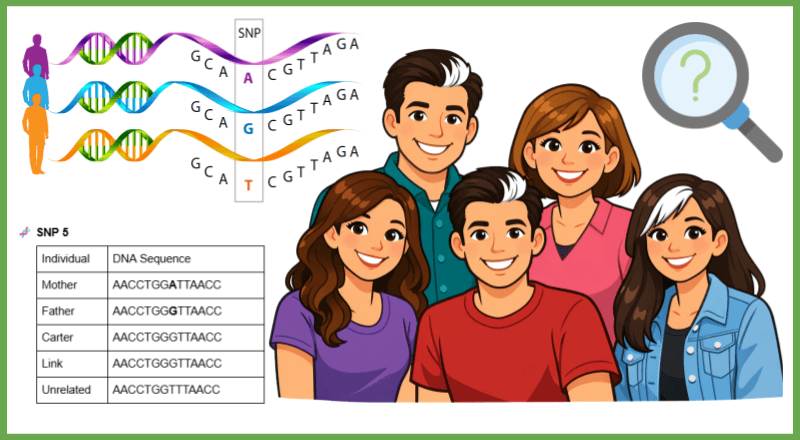
The Case of the Finch Flair: A DNA Mystery
Looking for an engaging way to introduce students to DNA variation, inheritance, and genetic evidence? The Case of the Finch Flair is a classroom investigation that combines SNP analysis, pedigrees, and Punnett squares into a fun genetics mystery your students will enjoy solving. In this activity, students investigate whether a mysterious individual could be related…
-
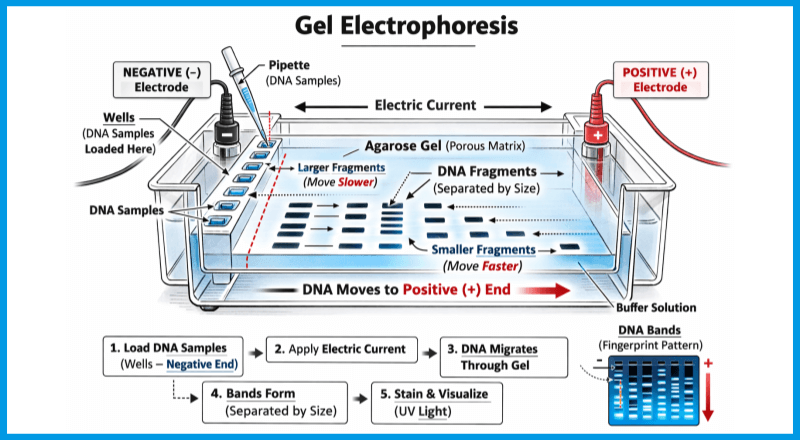
Who Ate the Cheese? A Gel Electrophoresis Simulation
If you’re teaching genetics, biotechnology, or forensic science this year, try 🧀 “Who Ate the Cheese?” This is a student-friendly way to model gel electrophoresis and DNA fingerprinting without expensive lab equipment. This is great for freshman classes who are just learning about biotechnology (and maybe not ready to use expensive equipment.) This activity puts…
-
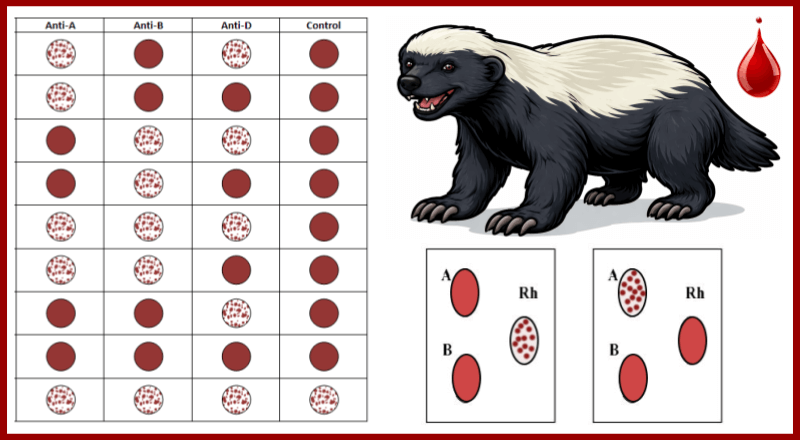
The Honey Badger Heist – Blood and Forensics
What happens when a honey badger goes missing and investigators find a mysterious blood sample at the scene? In this engaging, story-driven lab, students become forensic scientists tasked with solving the Honey Badger Kidnapping Case using simulated blood samples and ABO blood typing techniques. This hands-on investigation blends biology, critical thinking, and just the right…
-
Case Study – Sleepless, Not Tired
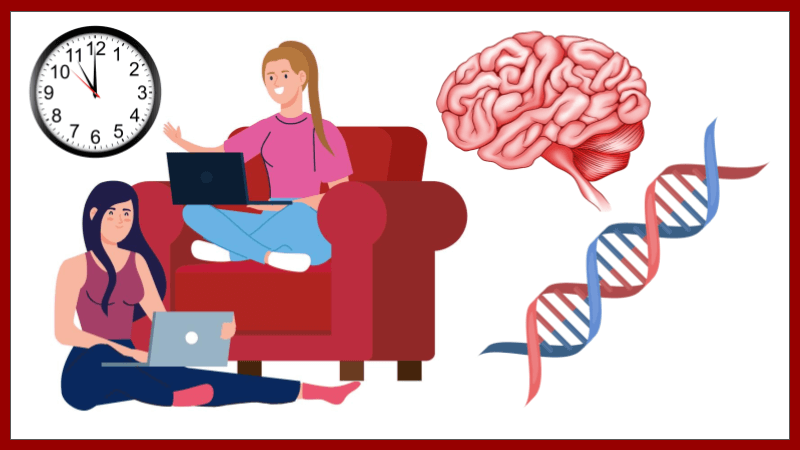
Ever wish your students were as engaged with biology as they are with Netflix? What if you could teach them about brain anatomy, genetics, and sleep regulation—all through the story of a real-life “super sleeper”? Enter “Sleepless, Not Tired”, a classroom-ready case study that follows Lena, a college freshman who only needs five hours of…
-
Solving Crimes with DNA and Electrophoresis
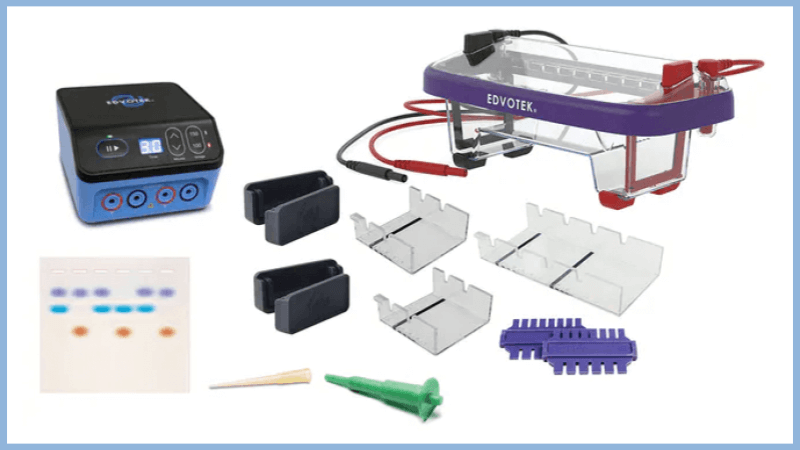
DNA analysis has become a cornerstone of modern forensic science. Because every individual (except identical twins) has a unique DNA profile, scientists can use DNA evidence from crime scenes to help identify suspects or eliminate individuals from suspicion. One common method for comparing DNA samples is gel electrophoresis, a technique that separates DNA fragments based…
-
How Does CRISPR Work? A Coloring Activity
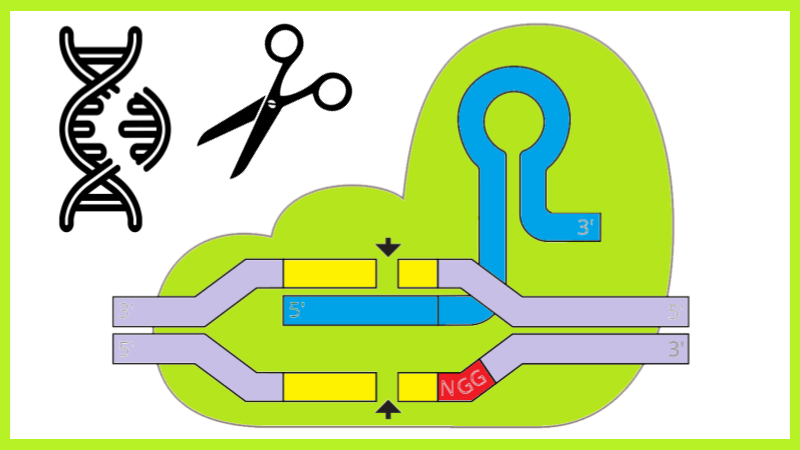
Gene editing might sound complex, but what if you could color your way to understanding it? CRISPR-Cas9 is a gene-editing tool that allows scientists to precisely cut and modify DNA. Inspired by a natural defense system in bacteria, CRISPR uses a guide RNA (gRNA) to direct the Cas9 protein (a molecular scissor) to a specific…
-
Case Study – Huntington’s Disease
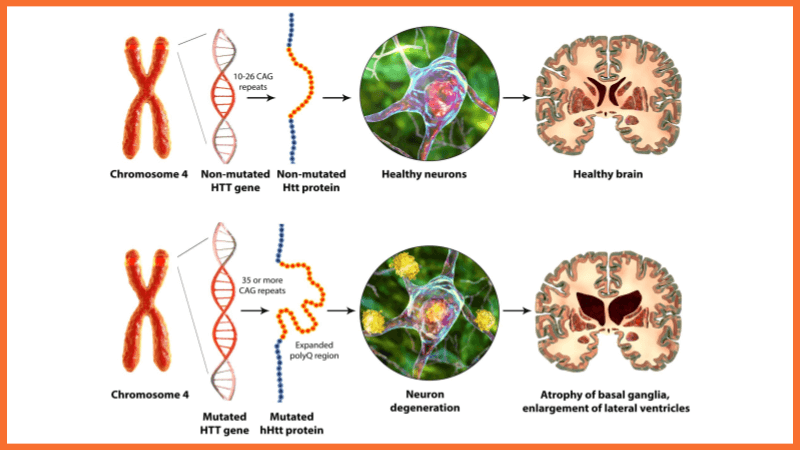
Discover an engaging case study on Huntington’s disease for biology classrooms. This free resource explores genetics, inheritance patterns, and treatment options while following a real-world patient case. Perfect for teaching neurological disorders and genetic testing.
-
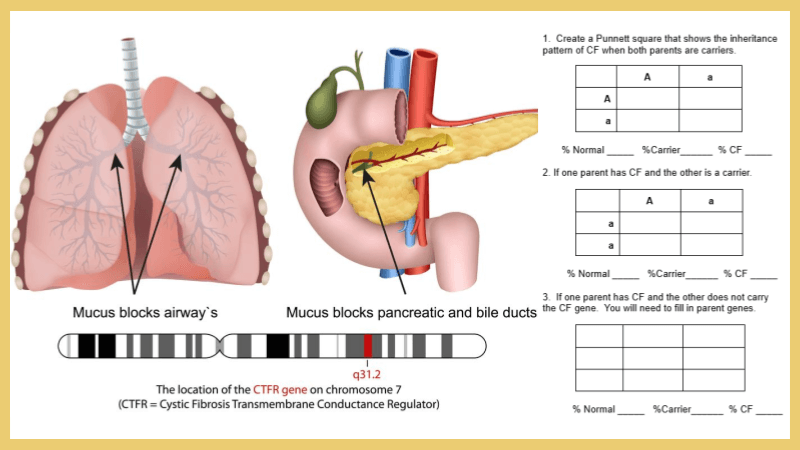
Cystic Fibrosis – Overview and Genetics
Cystic fibrosis (CF) is a genetic disorder that affects the lungs, digestive system, and other parts of the body. Mutations in the CFTR gene on chromosome 7 leads to the production of thick, sticky mucus that can block airways and digestive ducts. Patients deal with lung infections and lack of nutrition because the mucus interferes…
-
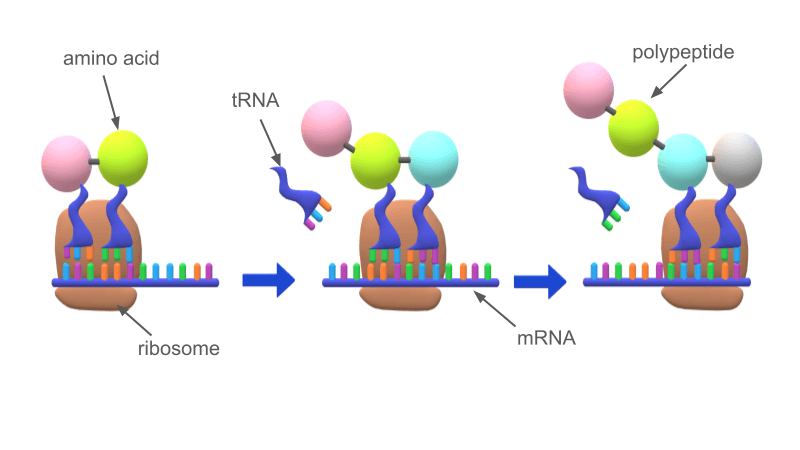
Reinforcement: RNA and Protein Synthesis
Master protein synthesis with our comprehensive practice worksheet! Practice your understanding of mRNA, rRNA, and ribosome function.
-
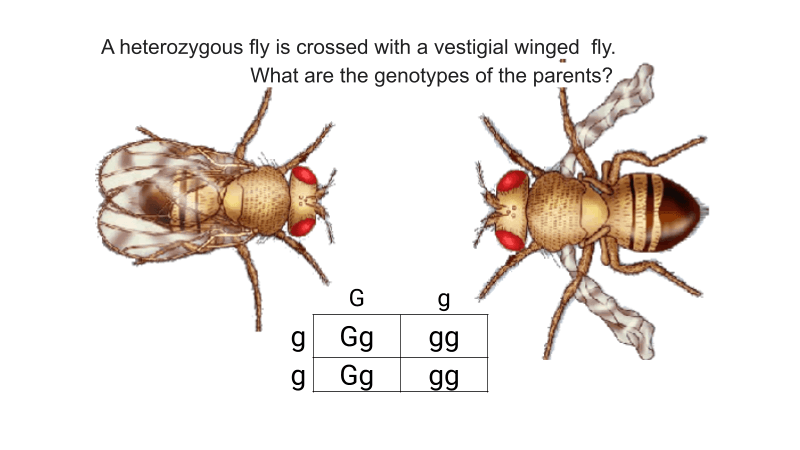
Fruit Fly Genetics
Fruit Fly Genetics showing inheritance patterns for vestigial wings and eye color.
-
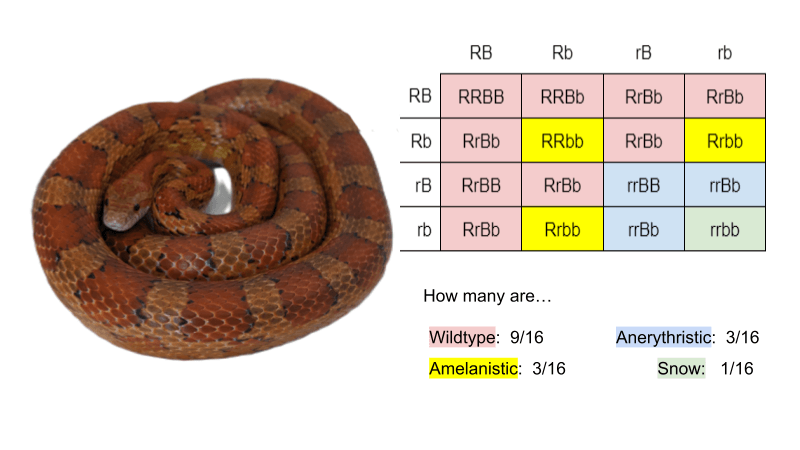
Corn Snake Genetics – Explore the Morphs!
Practice dihybrid crosses with this activity on corn snakes. Corn snakes are red and black, with variations in shade and markings.
-
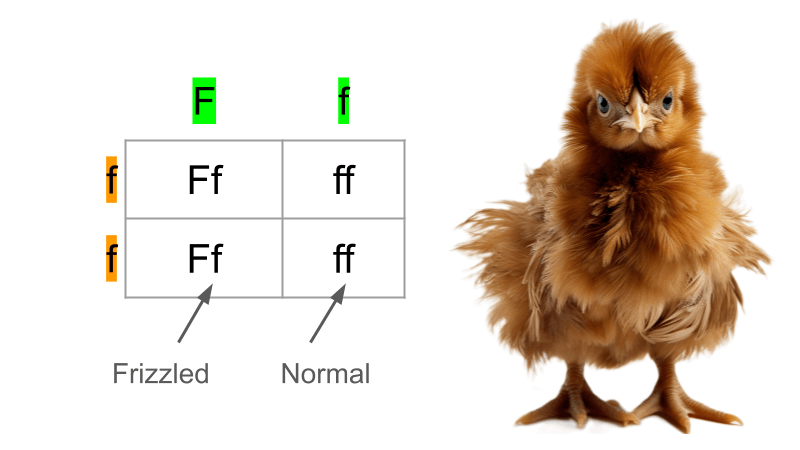
The Genetics of Frizzle Frazzle Chicks
Frizzle feathers in chickens is the result of a dominant allele. Practice crosses between different types of chickens, by completing Punnett squares.
-
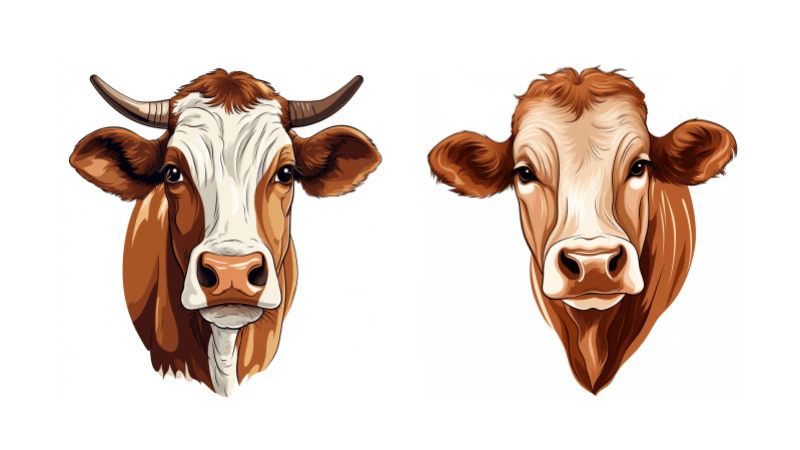
Genetics Practice – Roan Cows with Horns
Practice genetics with cows! Cows can be horned (hh) or hornless. They can also be red, white, or roan colored.
-

Peas, Please! – A Practice Set on Mendelian Genetics
Students practice assigning genotypes (PP, Pp, or pp) to different traits based on whether the trait is dominant or recessive. They set up Punnett squares, and determine the phenotypic ratios of the offspring.
-

Case Study – The Genetics of Eye Color
A case study exploring the genetics of eye color. Students review a pedigree and examine the role of HERC2 and OCA2 in eye color inheritance.