
Category: Evolution
-
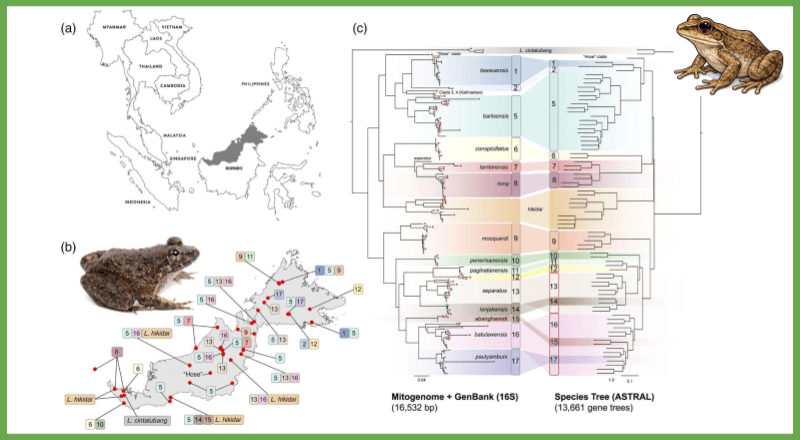
Teaching Evolution: The Case of the Fanged Frog
Helping students understand evolution, gene flow, and speciation can be challenging because these processes often occur over long periods of time and involve complex genetic evidence. One effective way to make these concepts more engaging is to use real scientific research simplified for classroom use. The Fanged Frog Genomics Study activity introduces students to modern…
-
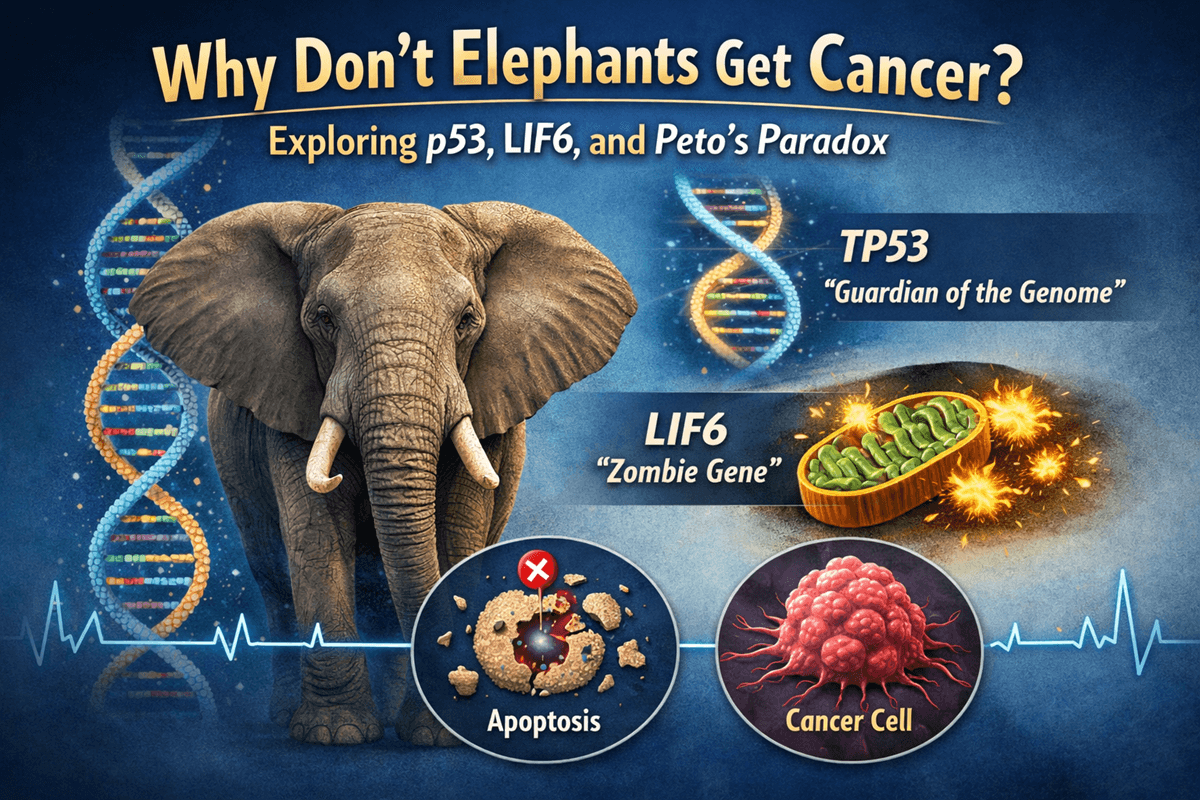
Why Don’t Elephants Get Cancer? – Peto’s Paradox
Looking for an engaging, real-world way to teach genetics, cancer biology, and evolution? This student-friendly article on why elephants rarely get cancer is a ready-to-use resource that brings abstract concepts to life using a fascinating biological mystery. This lesson centers on two powerful genes, TP53 (p53) and LIF6. Students explore how gene regulation, apoptosis, and…
-
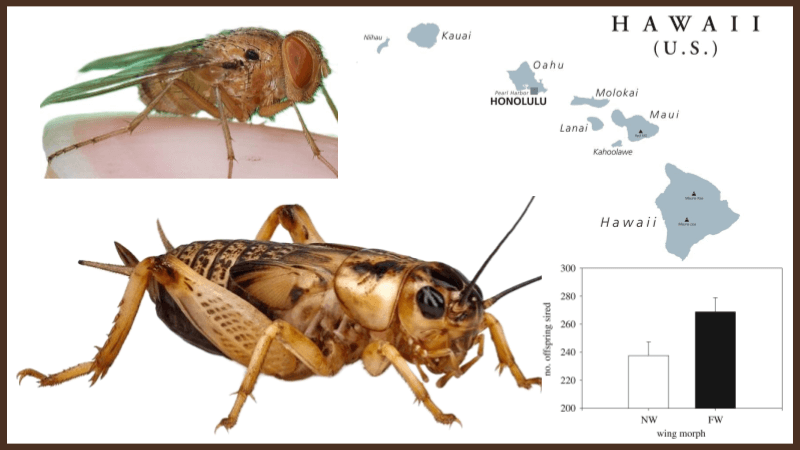
Case Study – The Cricket that Stopped Singing
Imagine this: on a quiet night in Hawaii, the usual symphony of chirping crickets suddenly vanishes. But it’s not just a natural lull — it’s the sound of evolution in action. This real-life phenomenon is the centerpiece of a ready-to-use biology case study perfect for your unit on evolution, natural selection, or animal behavior. It’s…
-
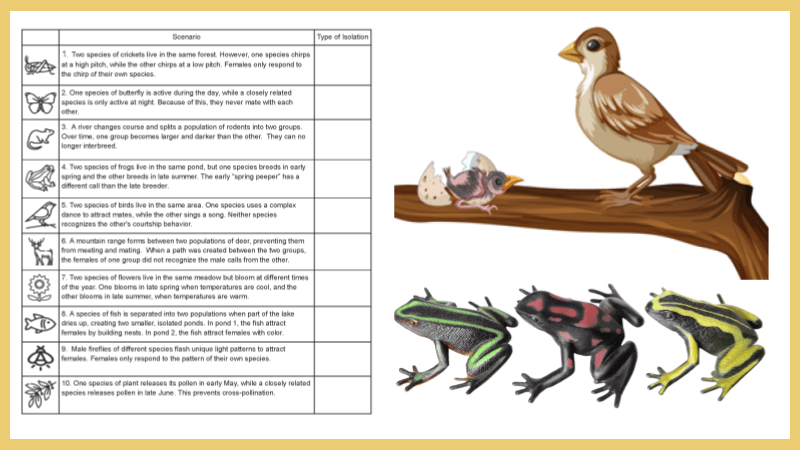
Why Can’t We Be Friends – Isolating Mechanisms
Are you teaching evolution, speciation, or mechanisms of reproductive isolation and need an engaging, ready-to-go resource? I’ve got you covered! Introducing “Why Can’t We Be Friends: Species Isolation Scenarios”, a student-friendly worksheet designed to help your class master the concepts of behavioral, geographic, and temporal isolating mechanisms. 🎯 What Are Isolating Mechanisms? In simple terms,…
-
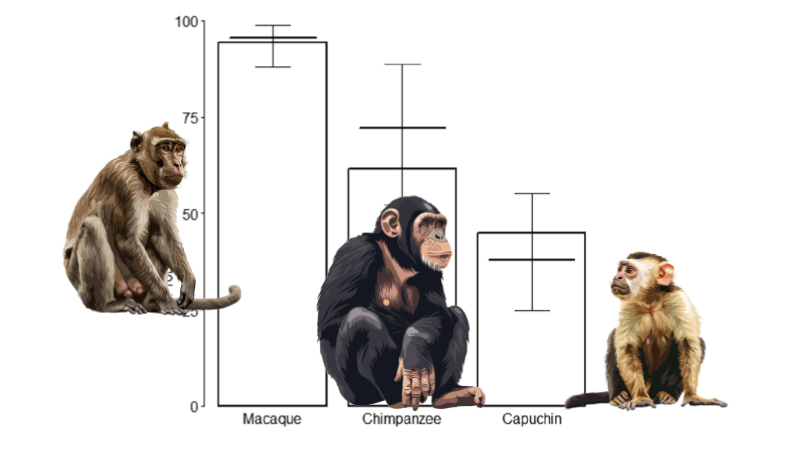
Data Analysis – Tool Use in Primates (CER)
Chimpanzees, capuchins, and long-tailed macaques use tools to crack the shells of nuts. They place the nut on a hard surface, like a flat rock, and strike it with a stone to crack the shell. These three primate species use different techniques. Chimpanzees and macaques crack the nuts while sitting, but the capuchin stands on…
-
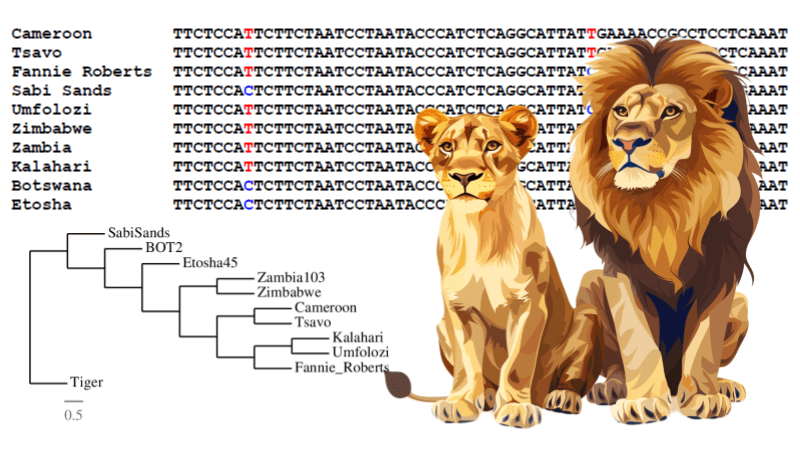
Create a Lion Phylogenetic Tree with Gene Sequences
Explore phylogenetic trees by examining DNA from different prides of lions in Africa.
-
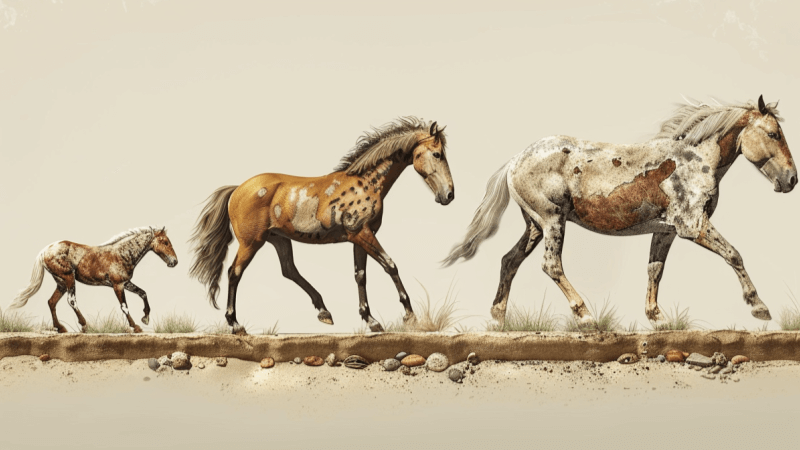
Explore the Evidence for Evolution
Discover the evidence of evolution with this worksheet. Explore fossil records, comparative anatomy, genetics to understand how species have evolved over time.
-
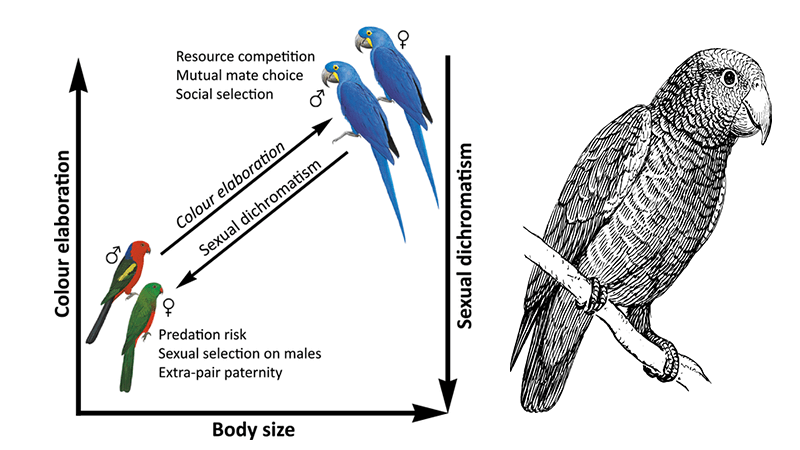
Variation and Sexual Dichromatism in Parrots
Explore sexual dimorphism be examining data on parrot coloration and environment details, like predators, competition, and mate choice.
-
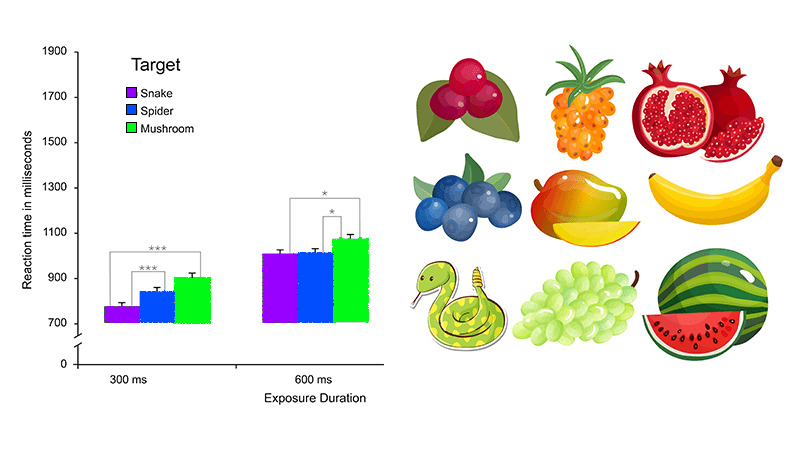
Analyzing Data – Snake Detection Hypothesis (CER)
Explore the snake detection hypothesis by reading about a study and identify claim and evidence.
-
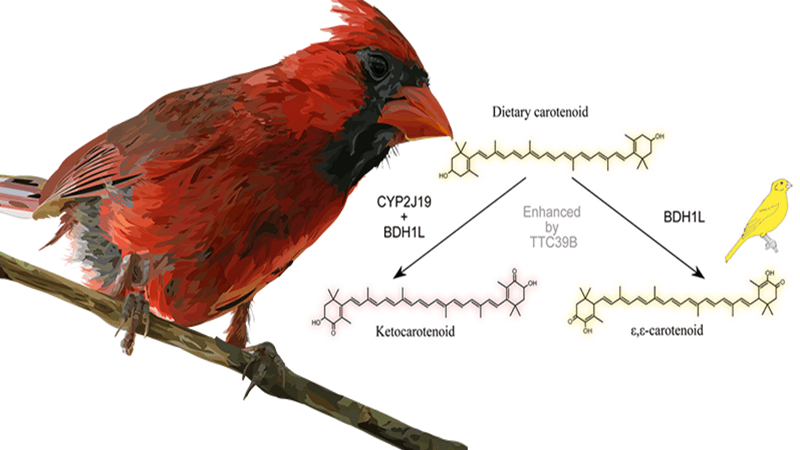
How Did the Cardinal Get His Red Feathers (CER)
Based on a study from Nature that examines the role of enzymes in red coloration. Enzyme pathway converts yellow carotenoids into red ketocarotenoids.
-
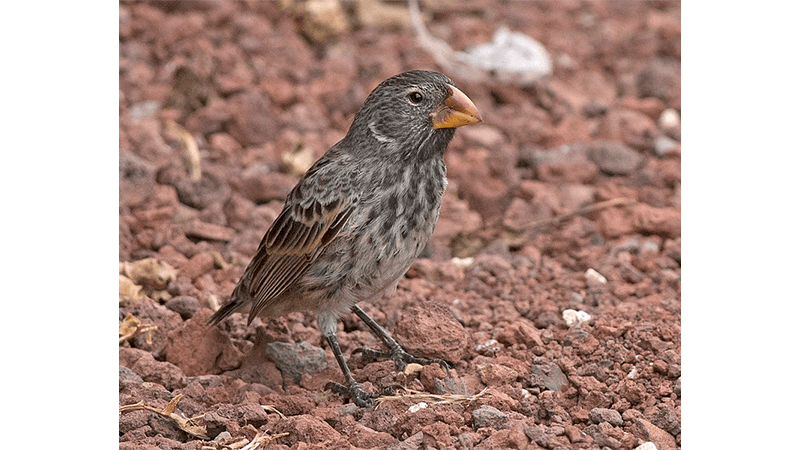
The Beak of the Finch (HHMI) Video Worksheet
Video worksheet for “The Beak of the Finch” at HHMI Biointeractive. Includes questions that follow video and a graph to analyze.
-
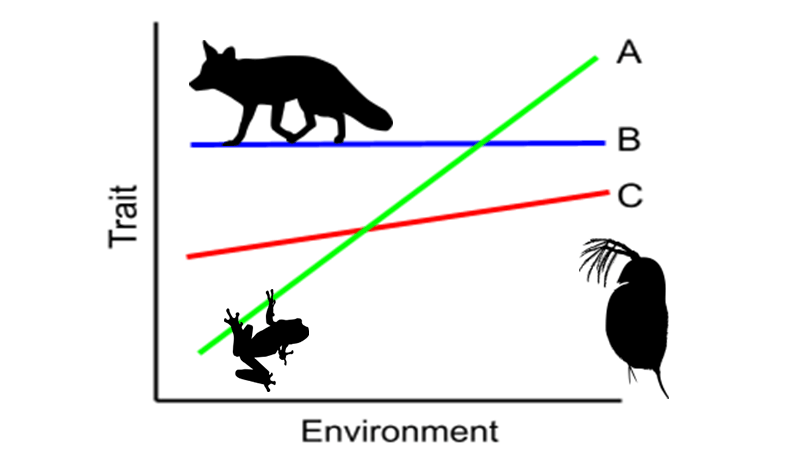
Exploring Phenotypic Plasticity in Arctic Foxes
Learn about arctic foxes and how they change color in the summer, a phenomenon called phenotypic plasticity.
-
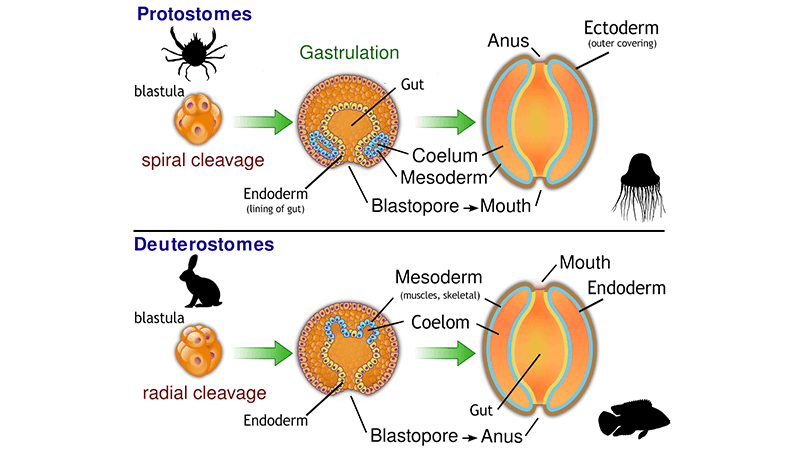
Compare Body Plans of Protostomes to Deuterostomes
Compare protostomes to deuterostomes, including details on the development of the blastula. Questions rely on students carefully examining the graphic.
-

Explore Bunny Selection and Mutations with PHET
Students explore bunny selection with this PHET interactive activity. Observe bunny populations change in response to environmental conditions and predators.
-
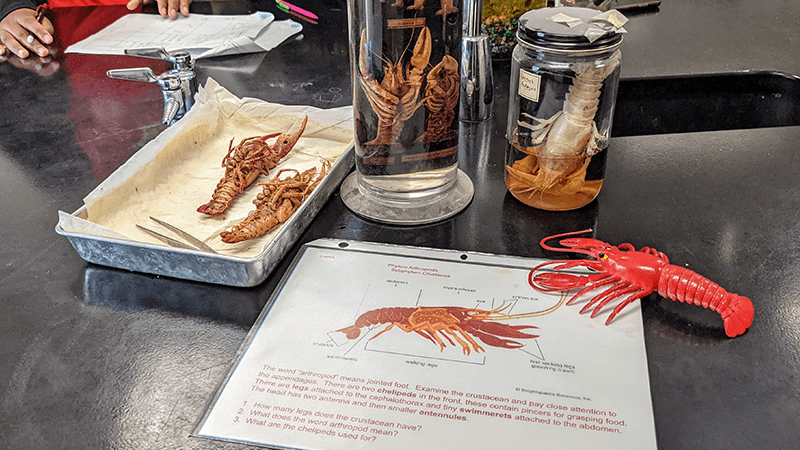
Invertebrate Diversity Lab Station Activity
Learn invertebrate diversity by setting up activity stations showcasing different phyla: Platyhelminthes, Nematoda, Porifera, Arthropoda, and Annelida.