
Category: Ecology
-
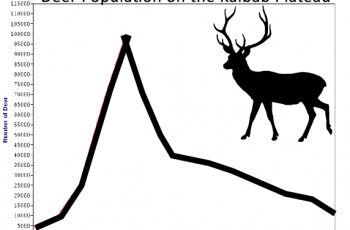
The Lesson of the Kaibab
This activity asks students to graph the number of kaibab deer on the plateau after predators were removed, then analyze data and develop a better plan.
-
Niche Partitioning – Gorongosa Phenomenon
Explore niche partitioning in Gorongosa with this interactive graph and activity.
-
Ecology Lesson on Trophic Cascades
This year I decided to change the way I teach the last unit of the year, which is ecology. Our textbook is really old, and not aligned to NGSS. The lessons followed a familiar “old-school” pattern: take notes mainly about definitions, do an activity or lab, then take a quiz. This year, I wanted to…
-
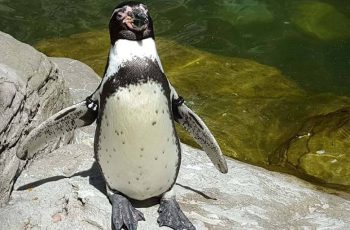
Biome Project
Students become experts in a biome and create a product, such as a pamphlet, to showcase details about their assigned ecosystem (tundra, forest, ocean..etc.)
-
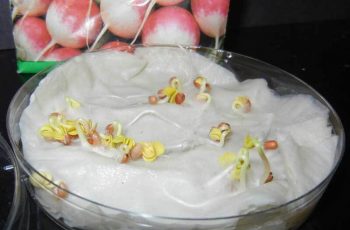
Investigation: What Factors Affect Seed Germination?
This activity can be used as part of a unit on plants or as an activity to illustrate the scientific method. The materials are cheap and can be obtained from the grocery store. Students design an experiment to determine what factors affect seed germination. They are given a list of variables that are appropriate…
-
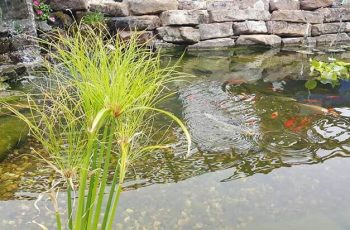
Investigation: What Organisms Are Found in Ponds?
Does your community have ponds, streams, or lakes? Students enjoy working with real biology, and though it may not be possible to take students to a lake, you can bring the lake to the student. This open-ended activity gives students the opportunity to explore pond water and compare the types of species found in…
-
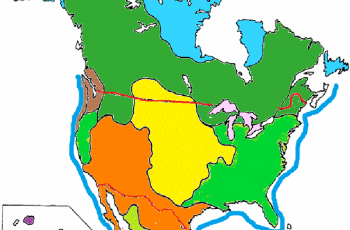
Color the North American Biomes
This coloring activity is suitable for beginning biology students who are learning about the plants and animals found in each major biome. The worksheet does require a basic geography knowledge, which I found somewhat lacking in my freshman students. I usually place a large map of North America on the overhead projector for students…
-
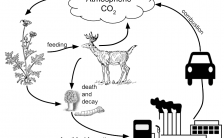
Analyzing Graphics: The Carbon Cycle
This graphic illustrates how atmospheric carbon dioxide is produced during cellular respiration and combustion and then taken up by plants. Students apply what they have learned about the processes of photosynthesis and respiration to label parts of the graphic an answer questions. This activity is probably best done as a pair-share activity or a…
-
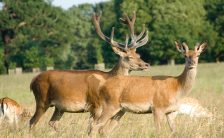
Investigation: Estimating Population Size
In this investigation, students simulate how mark and recapture techniques are used to estimate population size. Prepare populations in advance by gathering 60-150 small objects, like toy spiders, beans, or beads. Toy animals seem to be more exciting for students, and you can sometimes find them at dollar stores. In my class, I…