
Category: Best Practices
-
How to Use Google Docs to Leverage Student Engagement
Google docs can make grading and commenting more engaging for students. When students upload their google docs, you can comment and have discussions.
-
Guide to Explanatory Writing in Science
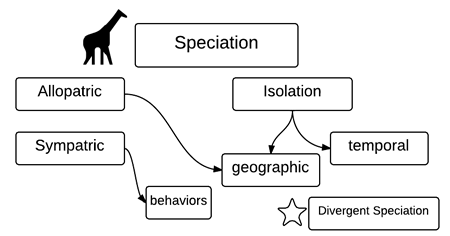
I have written before about the value of having students write as a learning tool. In “Writing to Learn” I made some suggestions for ways you could incorporate writing into you daily lessons. I did not at that time include concrete strategies for helping students actually complete writing assignments. Strategies to help students…
-

How to Create Your Classroom Seating Chart
Ideas for assigning seats in the classroom on the very first day without the awkward role call.
-

Why I’m Changing My Classroom Phone Policy
Last year, I decided to run a social experiment with my honors class. This was a small class of 18 students taking Advanced Placement Biology, with a mix of juniors and seniors. The experiment was to see if these digital natives could handle having an open policy on cell phones. I allowed them…
-
Writing to Learn – A Common Core Standard
A collection of activities for students to use writing assignments to engage in lessons and learn scientific concepts.
-
Are Exit Tickets a Good Way to Assess Understanding?
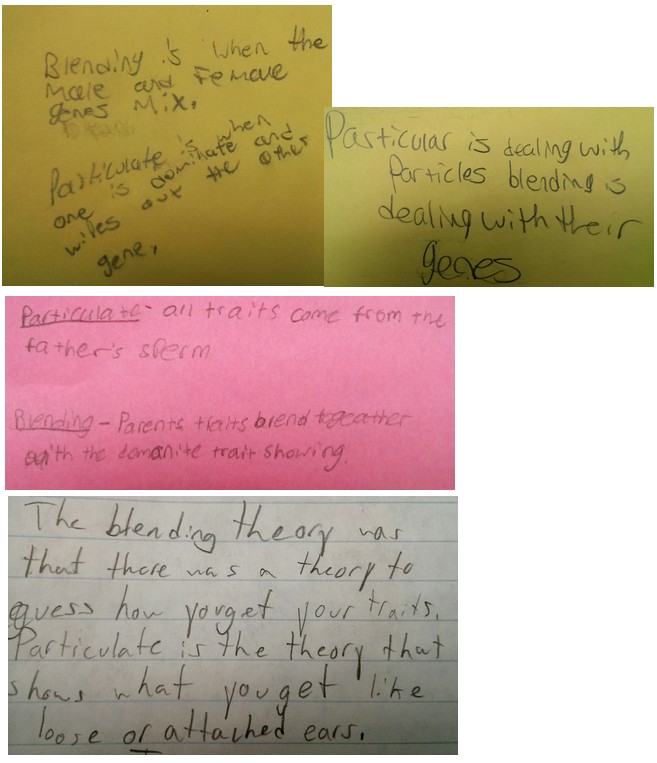
My genetics unit for Freshman Biology always starts with a history lesson on Mendel and our understanding of heredity at that time. One of the main themes of this lesson is a comparison between two ways of thinking about inheritance and two competing theories: The Particulate Theory and the Blending Theory. Students struggle…
-
Teaching Chi Square Analysis
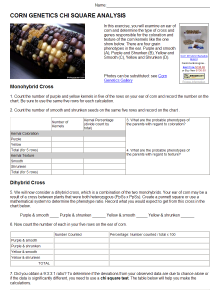
How to teach chi square analysis in biology. Includes presentation slides and student assignment.
-
Are Kids Out of Touch with Nature?
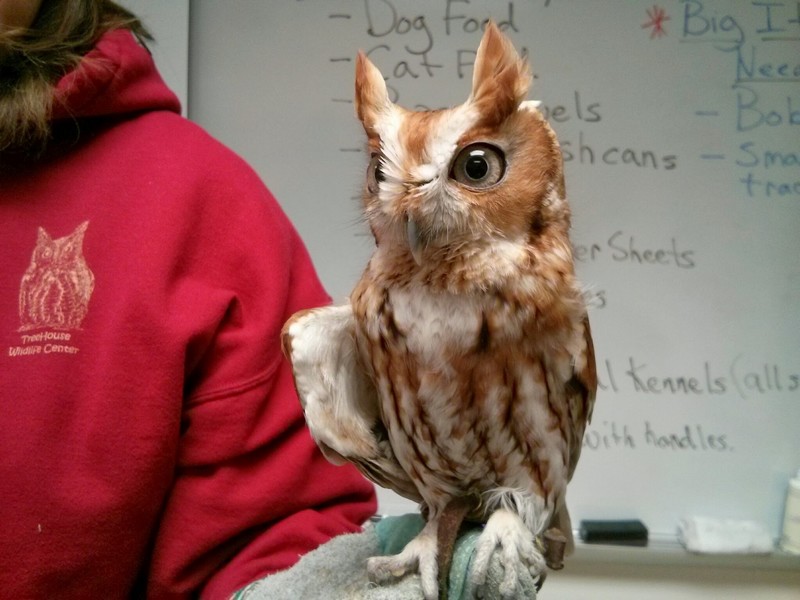
My students are suburban raised and have very little experience in the wild. After reading the article, “Give Childhood Back to Children,” I considered that playing outside not only helps kids learn social structures, it also allows them to explore nature.
-
What is “Mastery” and Why is It Important?
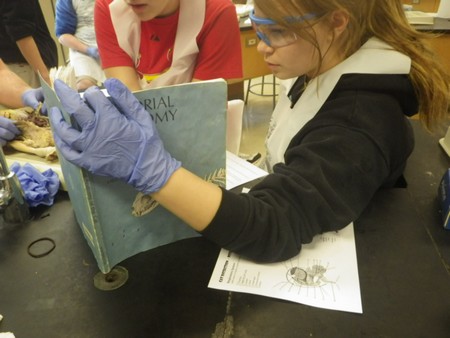
Education leaders often talk about mastery. Here’s what it means to me and how I can assess whether students have mastered content.