
Tag: nucleus
-
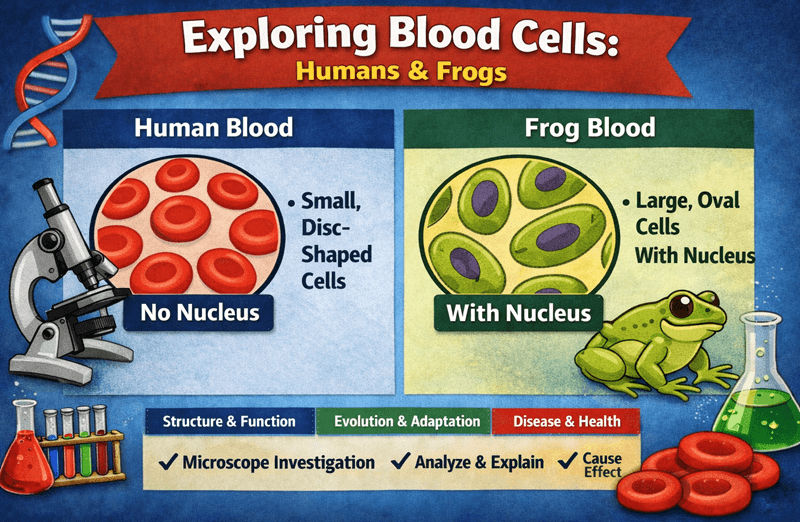
Lab – Comparing Human and Frog Blood Cells
In this hands-on microscopy lab, students investigate how blood cell structure varies across species by comparing human blood and frog blood. Using prepared blood slides, students observe red blood cells under the microscope. They document key differences in size, shape, and internal structures. Human red blood cells are small, circular, and lack a nucleus, an…
-
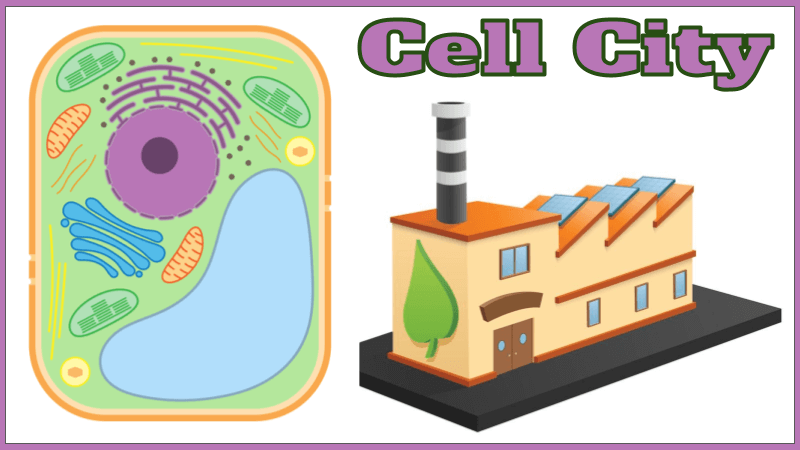
A Journey Through the Cell
Are you looking for a creative way to teach cell biology that captures your students’ attention and makes learning fun? Check out “A Journey Through the Cell,” a free resource that transforms a standard biology topic into an engaging, story-driven adventure. You might already be familiar with another worksheet on the cell, called Cell City…
-
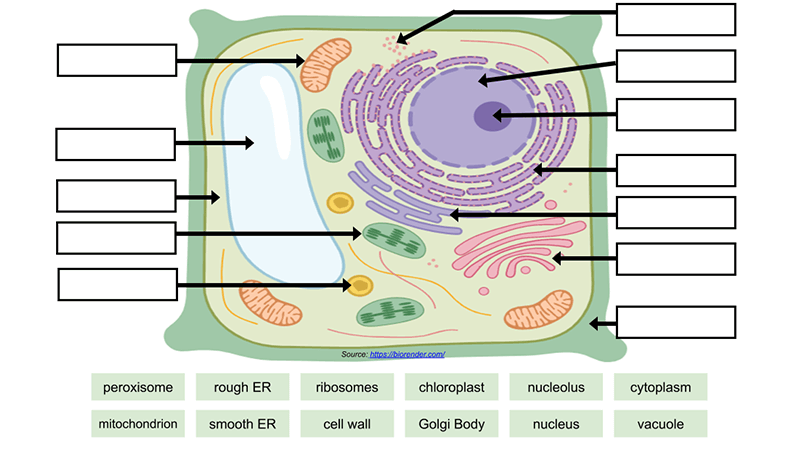
Cell Labeling (Remote)
Can you ever have too many cell labeling practice worksheets? This one uses Slides for students to drag and drop labels to the image.
-
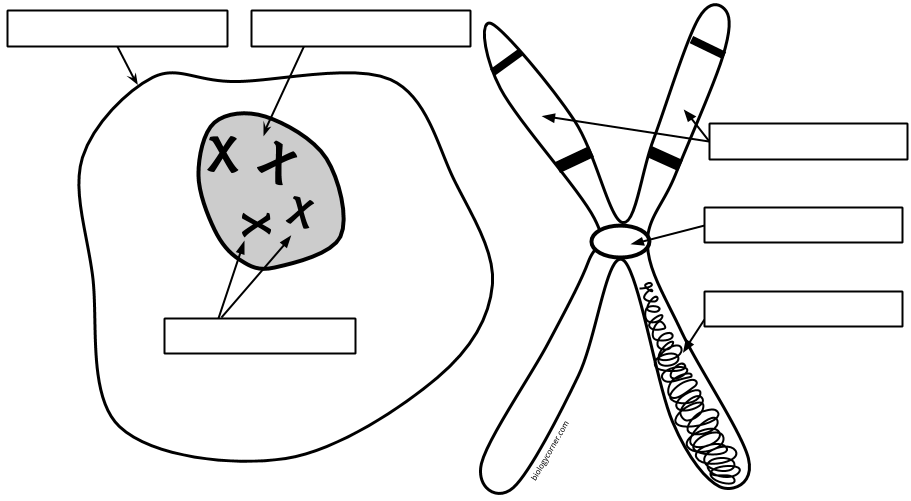
Simple Diagram Labeling on the Parts of a Chromosome
A diagram of a chromosome in the nucleus of the cell. Students label the chromatid, centromere, chromosomes, cell membrane, DNA, and nucleus.
-
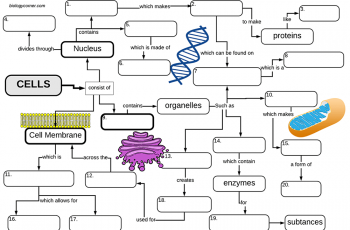
Cell Structures: A Graphic Organizer
This graphic organizer (concept map) organizes the cell structures around three main parts of the eukaryotic cell: the nucleus, cytoplasm, and cell membrane.
-
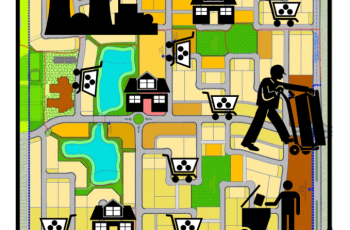
Cell City
This popular activity asks students to read a story about a fictional town where each part of the city is compared to the parts of a cell. For example: “Widgets are generally produced in small shops around the city, these small shops can be built by the carpenter’s union (whose headquarters are in town hall.)” In this…
-
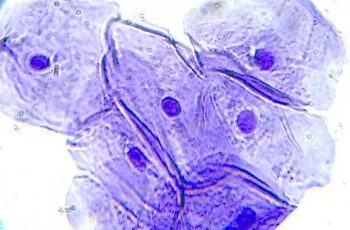
How to View Cheek Cells with a Microscope
Simple activity for observing cells. Use methylene blue and toothpicks to gently scrape cells from the inside of a cheek and view under a microscope.