
Tag: ecology
-
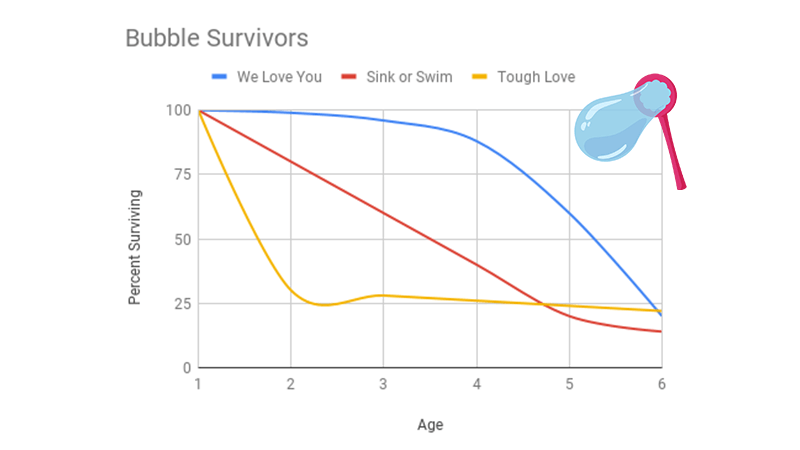
Modeling Survivorship Curves with Bubbles
A fun activity to model survivorship curves using bubbles. Students blow bubbles and time how long each survive under different conditions, then create a graph.
-
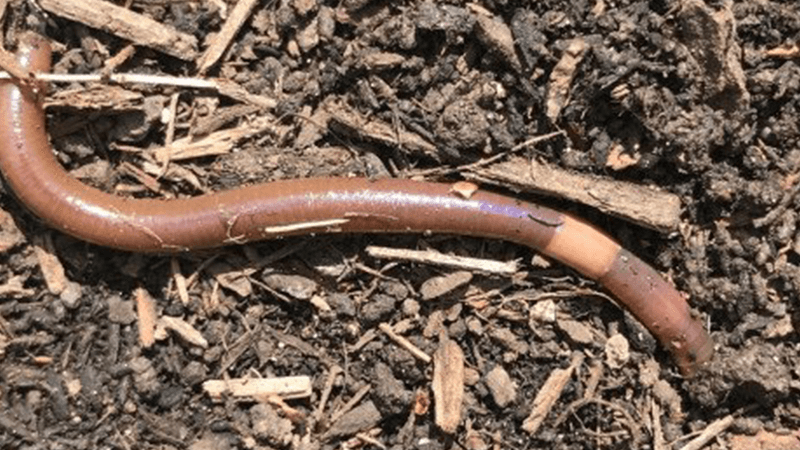
Data Analysis – Invasion of the Jumping Worms
Lesson plan uses the 5E model to explore the invasive Asian Jumping Worm and its impact on soil and forests; includes data analysis.
-
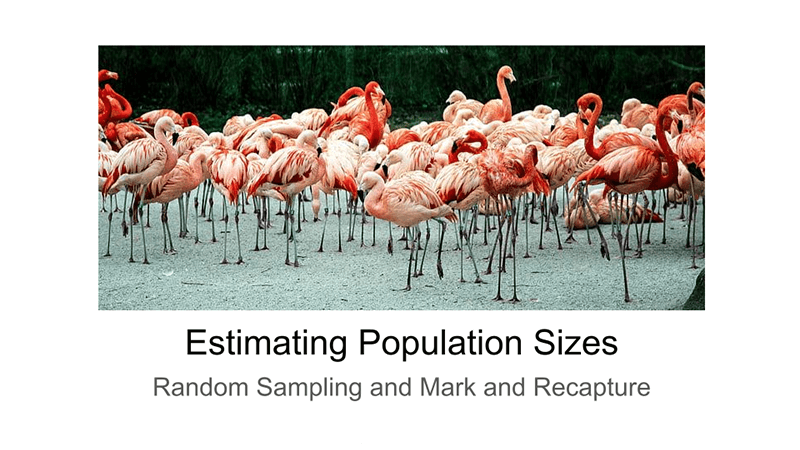
Estimating Population Size – Remote Learning Unit
Population growth studies are a common element to studies in ecology in my basic biology class. Students learn about exponential and logistic growth the impacts populations have on the environment. As part of this unit, I have had students simulate techniques used to estimate the size of a populations. I have toys packed in bags…
-
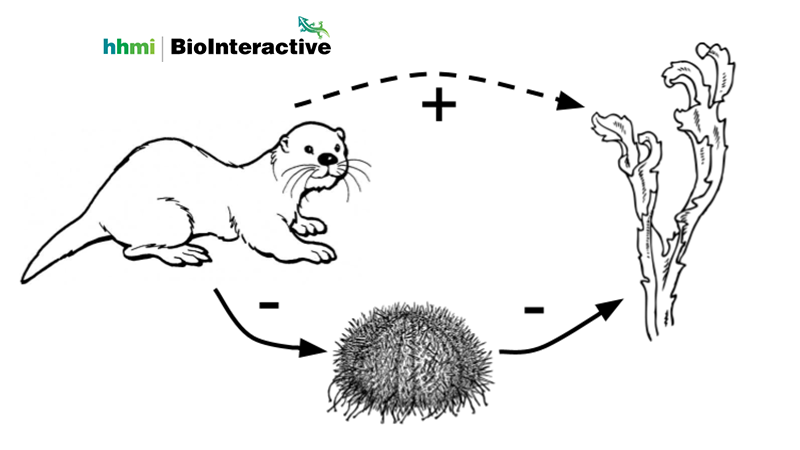
Trophic Cascades at Biointeractive
This worksheet is designed for the Interactive Activity on Trophic Cascades at HHMI Biointeractive . Students learn how the loss or addition of a species, like a fox, can affect other organisms in the system. Students complete the worksheet by answering questions as they explore the interactive activity. The activity illustrates a trophic cascade in…
-
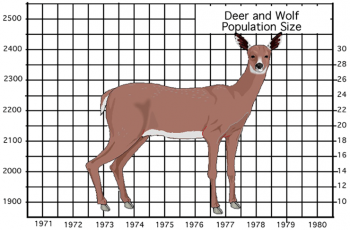
Deer: Predation or Starvation?
This activity asks students to calculate the population change (births – deaths) and then graph the number of deer and the number of wolves.
-
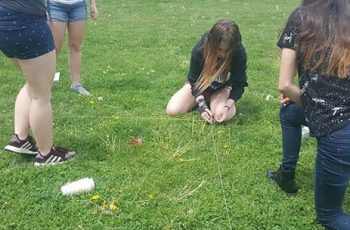
Random Sampling
Students model how field biologists would use a sampling technique to estimate the number of sunflowers in a field. First, they choose 10 plots at random by choosing paper slips, then take the average of those plots. The worksheet walks them through the steps of then using the average and the overall size of the…
-
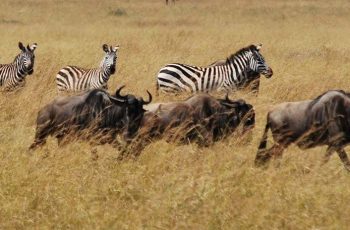
Niche Partitioning – Gorongosa Phenomenon
Explore niche partitioning in Gorongosa with this interactive graph and activity.
-
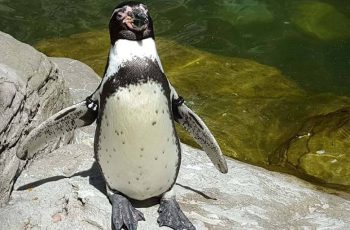
Biome Project
Students become experts in a biome and create a product, such as a pamphlet, to showcase details about their assigned ecosystem (tundra, forest, ocean..etc.)
-
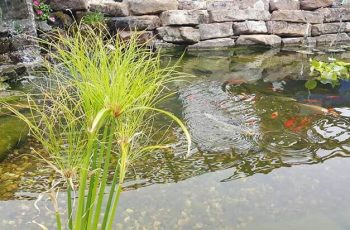
Investigation: What Organisms Are Found in Ponds?
Does your community have ponds, streams, or lakes? Students enjoy working with real biology, and though it may not be possible to take students to a lake, you can bring the lake to the student. This open-ended activity gives students the opportunity to explore pond water and compare the types of species found in…