
Tag: digestive
-
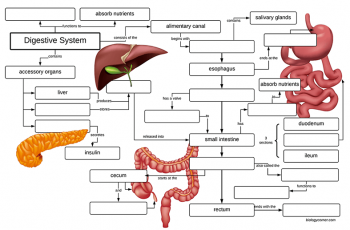
Digestive Concept Map
Students use this concept map to reinforce their understanding of the digestive system and how structures within that system are related. The mouth is where food is chewed and mixed with saliva. Saliva contains enzymes that start to break down food. The esophagus is a muscular tube that connects the mouth to the stomach. The…
-

Body Systems Graphic Organizer
Graphic of the body systems where students fill in blanks about structures within the organ system and their functions. This concept map can be used as a review or as a way to organize notes over the body systems.
-
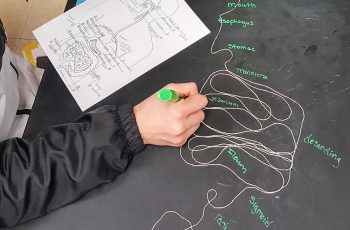
Modeling the Alimentary Canal
In this activity, students use string to model the gastrointestinal tract as a scale model. I’ve noticed that students do have difficulty with the concept of scaling, which is one of the crosscutting concepts listed in the NGSS. The directions give students measurements for a 1/3 scale model, the human alimentary canal is about 9…
-
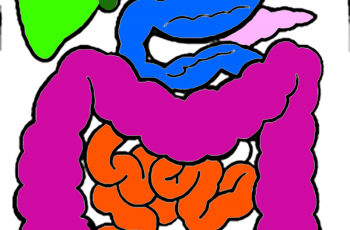
Model the Digestive System with Coloring
The digestive system is a series of organs that work together to break down food into nutrients that the body can use. The digestive system includes the mouth, esophagus, stomach, small intestine, large intestine, rectum, and anus. Coloring activities can be helpful to give students a chance to model the organ systems. I short, coloring…
-
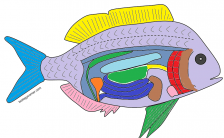
The Anatomy of a Bony Fish
Learn the anatomy of the fish with this coloring worksheet. Student Activity This coloring worksheet. provides a basic overview of the anatomy of a bony fish. Students color the fish according to the directions with each organ and fins being labeled by number. Students will not need a reference to complete the activity, as…
-
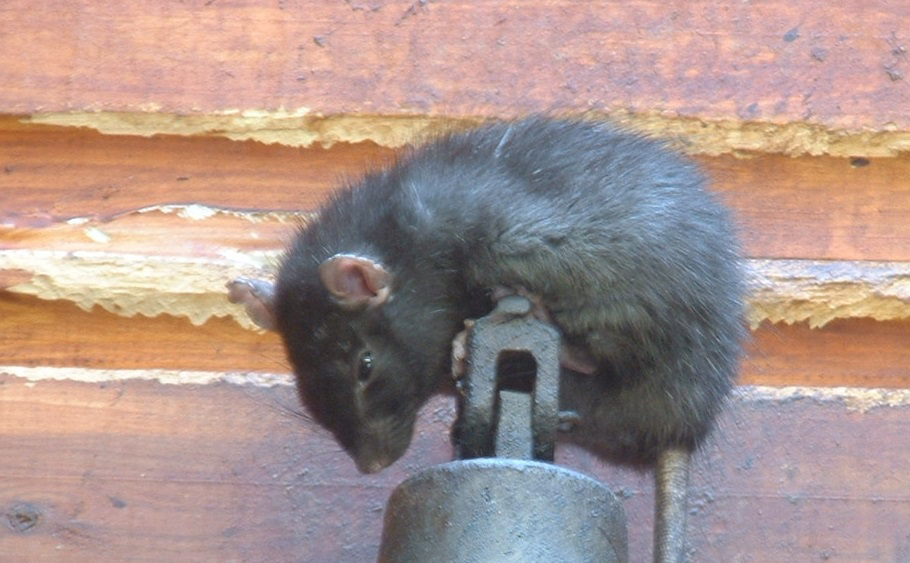
Investigation: Rat Dissection
Provides instructions for dissecting a preserved rat. Students start with the external anatomy, then locate muscles, bones, and then the major organs.