
Search results for: “science graph”
-
Requirements of Life – Alex’s Trials
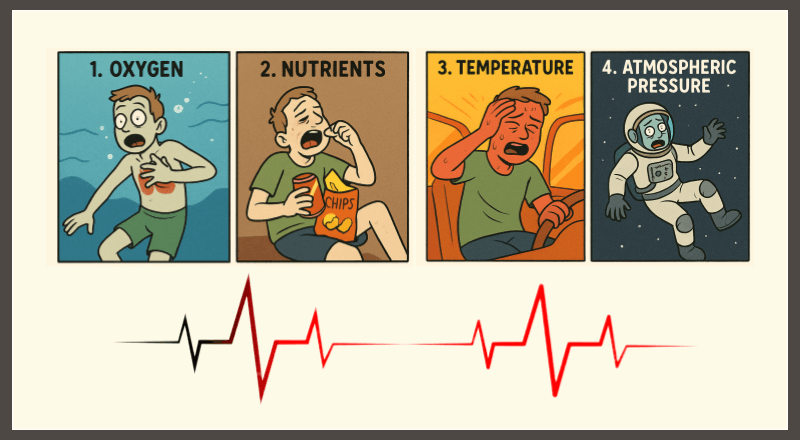
When it comes to teaching the requirements of life, most textbooks keep it pretty dry. Listing oxygen, nutrients, temperature, and atmospheric pressure. Important, yes, but not exactly the kind of material that gets high school students leaning in. That’s where this worksheet comes in. Instead of listing facts, it follows the story of Alex, an…
-
Stem Cell Therapy for Type 1 Diabetes
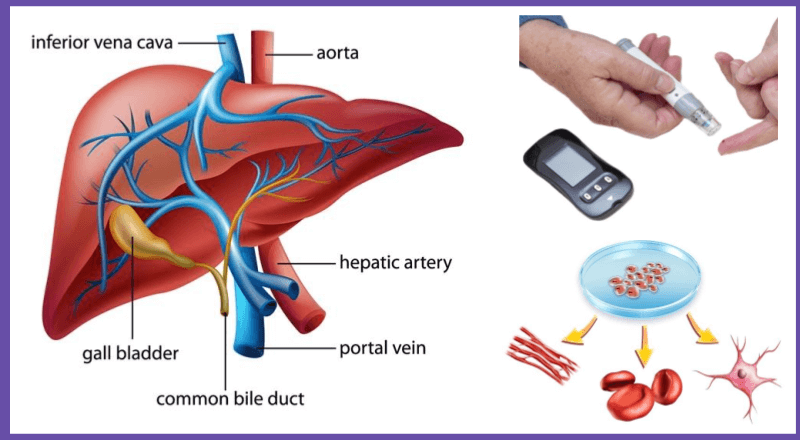
Teaching stem cells and medical applications can be tough, and students often struggle to connect it to the real world. That’s why I created this worksheet about a new treatment for Type 1 diabetes. Zimislecel, a cell therapy that uses lab-grown islet cells to restore insulin production. This stem cell therapy could reduce the need…
-
Case Study – The Placenta, MS, and a Viral Past
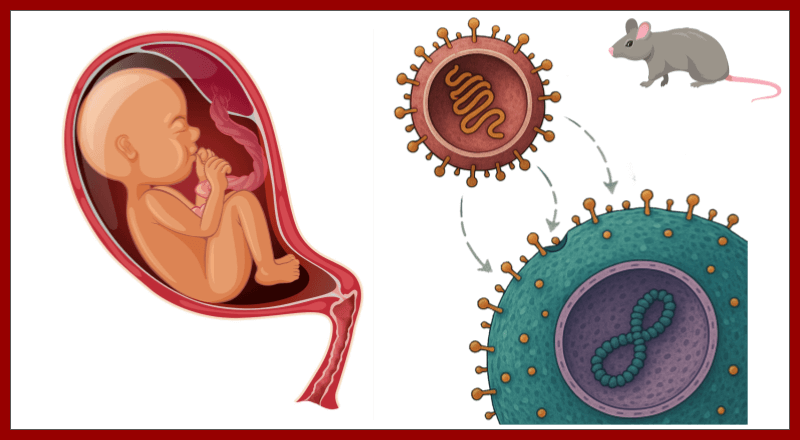
What if we told your students that a gene critical to human pregnancy came from a virus? And what if that same gene, when turned on in the wrong place, might play a role in multiple sclerosis? This is the real and fascinating story behind Syncytin-1, a protein that reveals just how tangled the relationship…
-
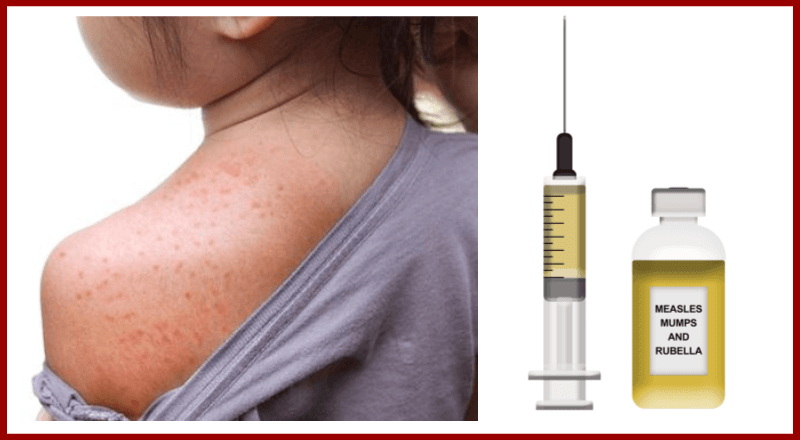
Case Study – Measles, Immunity, and Vaccines
How do you teach students that measles isn’t just “a childhood rash”? That it can erase years of immune memory—and even lead to serious complications like brain inflammation? Meet Maddie, the fictional but research-based subject of a new classroom case study. This resource brings science to life through narrative, helping students understand the biology of…
-
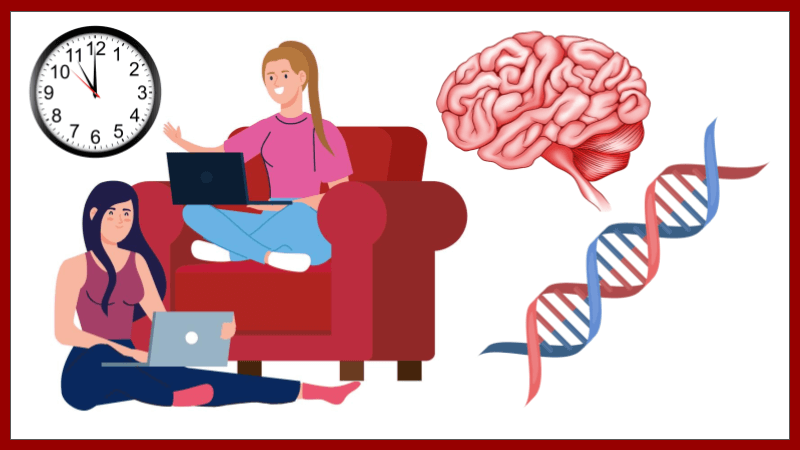
Case Study – Sleepless, Not Tired
Ever wish your students were as engaged with biology as they are with Netflix? What if you could teach them about brain anatomy, genetics, and sleep regulation—all through the story of a real-life “super sleeper”? Enter “Sleepless, Not Tired”, a classroom-ready case study that follows Lena, a college freshman who only needs five hours of…
-
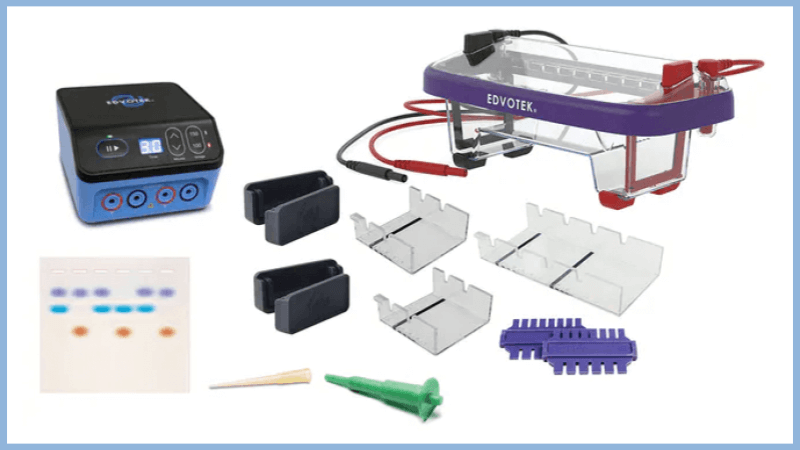
Solving Crimes with DNA and Electrophoresis
DNA analysis has become a cornerstone of modern forensic science. Because every individual (except identical twins) has a unique DNA profile, scientists can use DNA evidence from crime scenes to help identify suspects or eliminate individuals from suspicion. One common method for comparing DNA samples is gel electrophoresis, a technique that separates DNA fragments based…
-
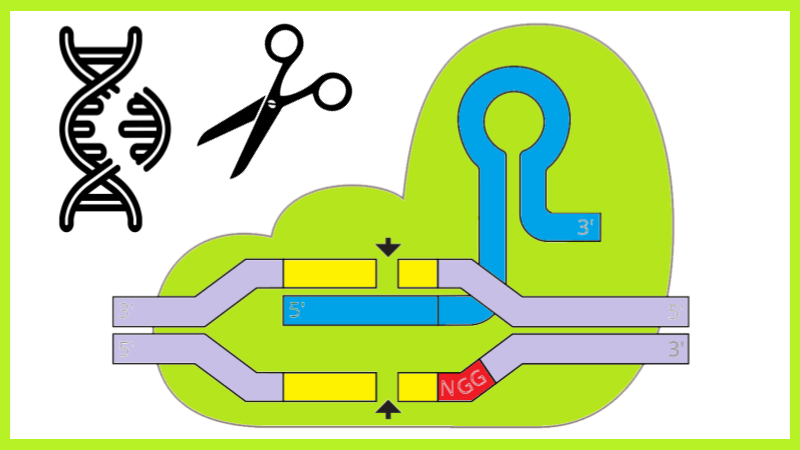
How Does CRISPR Work? A Coloring Activity
Gene editing might sound complex, but what if you could color your way to understanding it? CRISPR-Cas9 is a gene-editing tool that allows scientists to precisely cut and modify DNA. Inspired by a natural defense system in bacteria, CRISPR uses a guide RNA (gRNA) to direct the Cas9 protein (a molecular scissor) to a specific…
-
Case Study – A Brush with Oleander
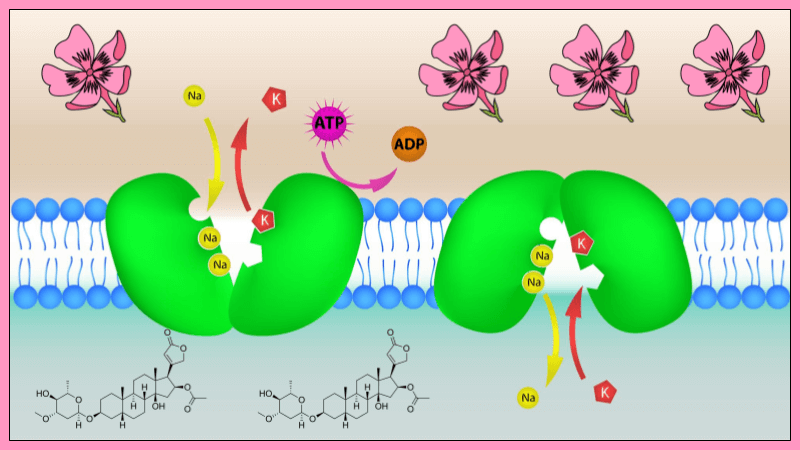
When teaching about the fascinating and sometimes dangerous world of plants, there’s nothing quite as engaging as a real-world case study. Explore the case of deadly white oleander, when a landscaper accidentally poisons herself. This case study offers a multidisciplinary approach for teachers looking to enrich a biology unit on plant physiology. Learners also explore…
-
Cadaver Dogs – Unsung Heroes in Forensics
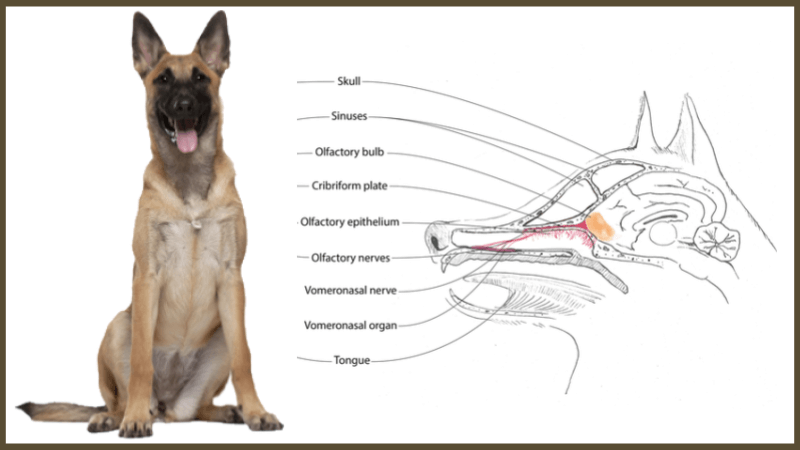
In this activity, students explore the fascinating role of cadaver dogs in forensic investigations. The lesson begins with students reading an engaging article detailing how cadaver dogs are trained, their unique capabilities, and real-world applications in solving crimes. Following the reading, students will answer a set of thought-provoking questions that test their comprehension and encourage…
-
Case Study – Ethan’s Journey with Leukemia
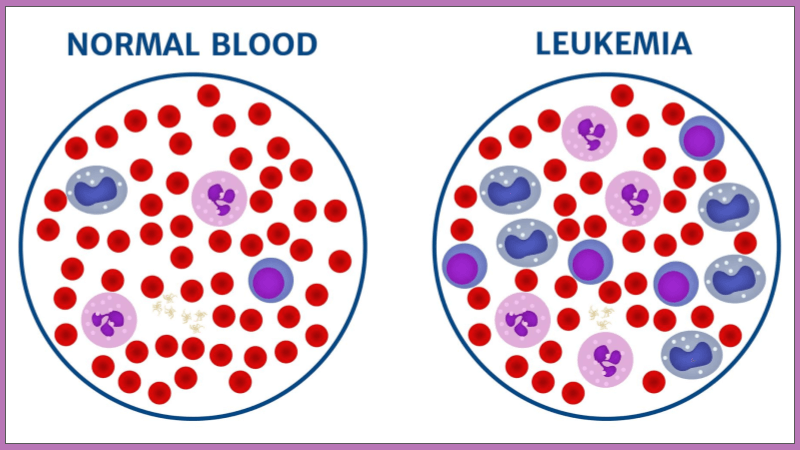
Are you looking for an engaging way to teach high school biology? Real-world connections can make a huge impact on your students’ understanding of complex topics like the human body, cell function, and diseases. That’s why we’ve created Case Study: Understanding Leukemia Through Ethan’s Story—a resource designed to bring the science of leukemia to life…
-

Facebook Suspended and Disabled
If you are wondering why I haven’t been active on my Facebook/biologycorner page, then let me share the story of how I got cancelled by Meta. Before you ask, I didn’t do anything wrong, and my last post showed my pet bearded dragon in a Santa hat. I have been a Facebook user for over…
-
Cell Signaling – Comprehensive Unit Plan
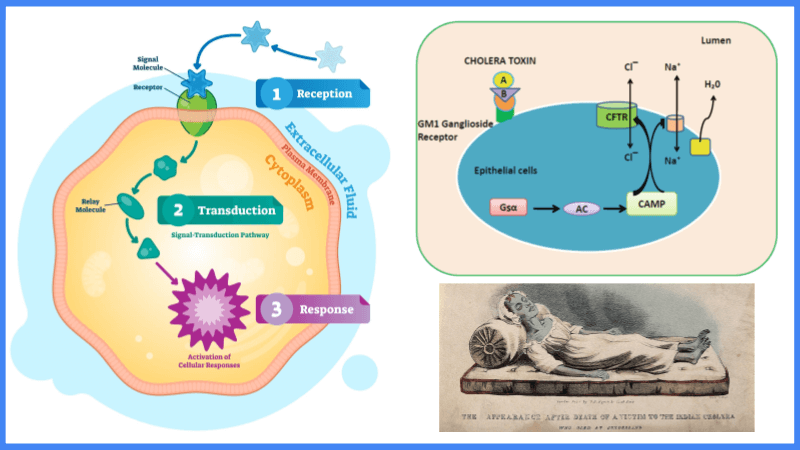
Cell signaling is the process by which cells communicate with each other and respond to external stimuli, ensuring the coordination of vital biological functions. This system involves a signal binding to a receptor on a target cell, and triggering a series of intracellular events. These signaling pathways often include second messengers, protein kinases, and phosphorylation…
-

Fading Memories – A Case Study on Alzheimer’s Disease
This case study offers an intimate look at Alzheimer’s disease through the eyes of a granddaughter navigating her family’s experience. Written in a narrative format, it allows students to explore the scientific and emotional dimensions of this neurodegenerative disease in a relatable, engaging way. This case study goes beyond the textbook to present Alzheimer’s disease…
-
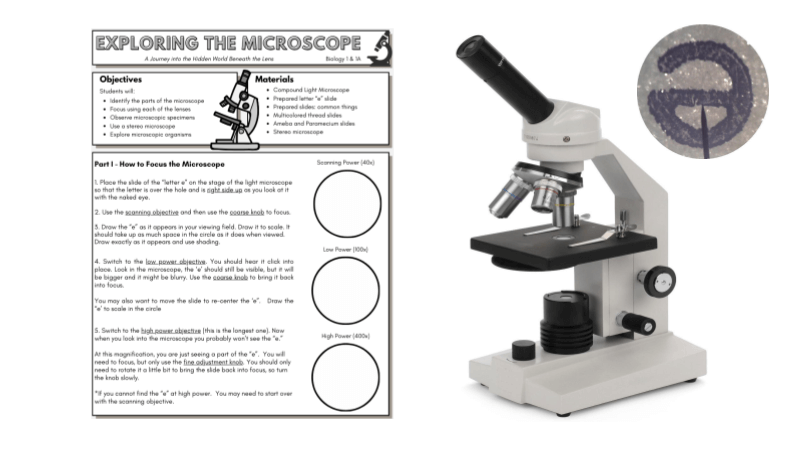
Exploring the Microscope – Canva Version
One of the most exciting tools in any science classroom is the microscope. For many students, it’s their first real glimpse into a hidden world that is usually out of reach. Microscopes open up an incredible, intricate universe filled with tiny details that tell the story of life at its smallest scales. Teaching students to…
-
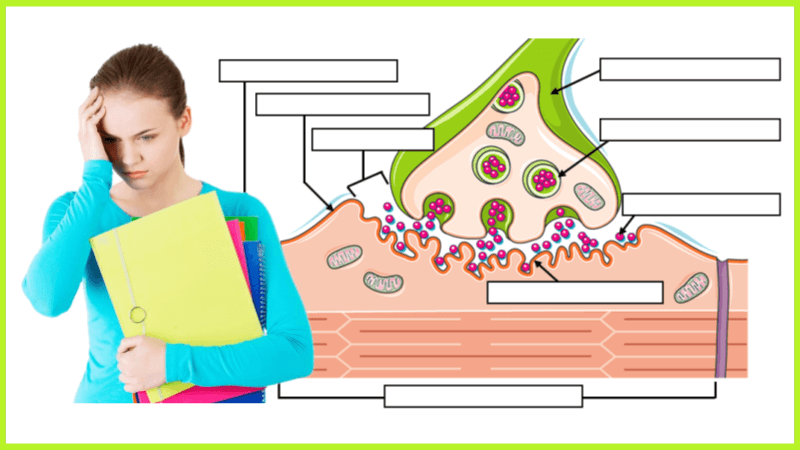
Case Study – The Mystery of Muscle Weakness
Bring neuromuscular disorders to life in your high school anatomy classroom with this case study on myasthenia gravis! Designed to illustrate the complex interactions between nerves, muscles, and the immune system, this resource uses the story of a relatable character, Elena, to make advanced anatomy concepts accessible and engaging. Discover why Elena is feeling tired…