
Search results for: “cell lab”
-
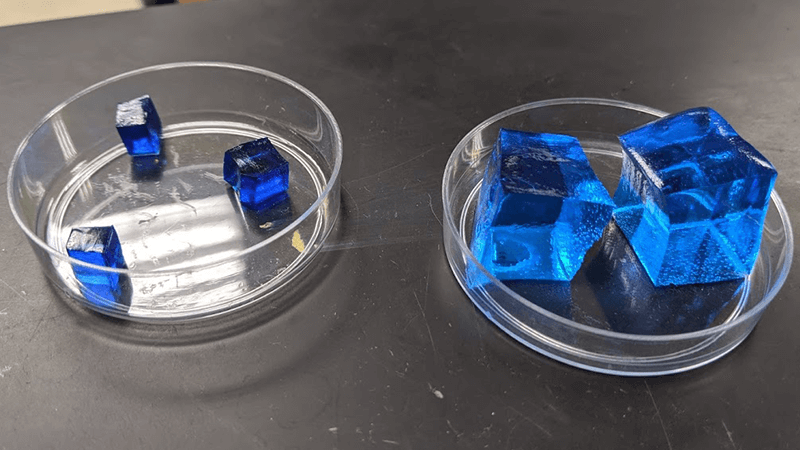
Modeling Osmosis
This basic lab uses Deco-cubes to show how they change in size when soaked in salt water, distilled water, and tap water.
-
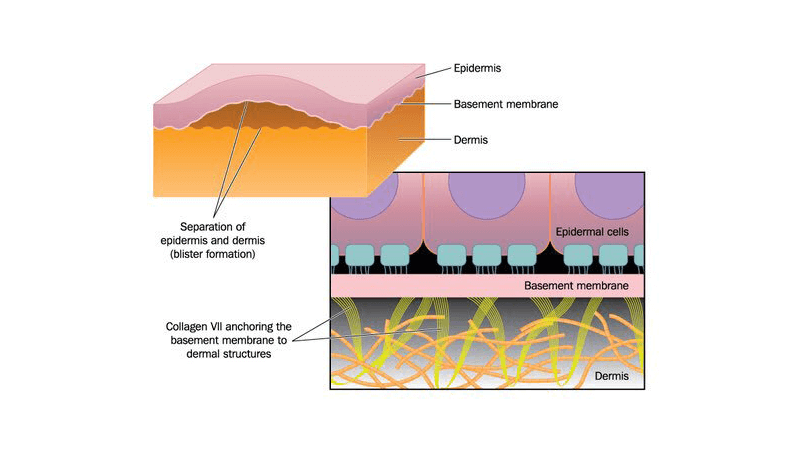
Anatomy and Physiology Lesson on Tissues
Phenomenon based unit where students examine the case of a child with the epidermolysis bullosa.
-
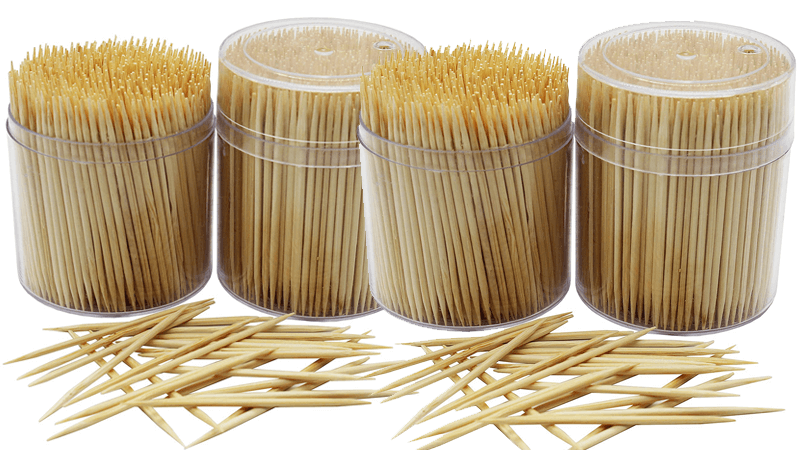
Investigation: Model Enzyme Activity with Toothpicks
Use toothpicks to model enzymes. Explore substrate and enzyme concentrations by changing toothpick numbers. Model competitive inhibition by taping fingers.
-
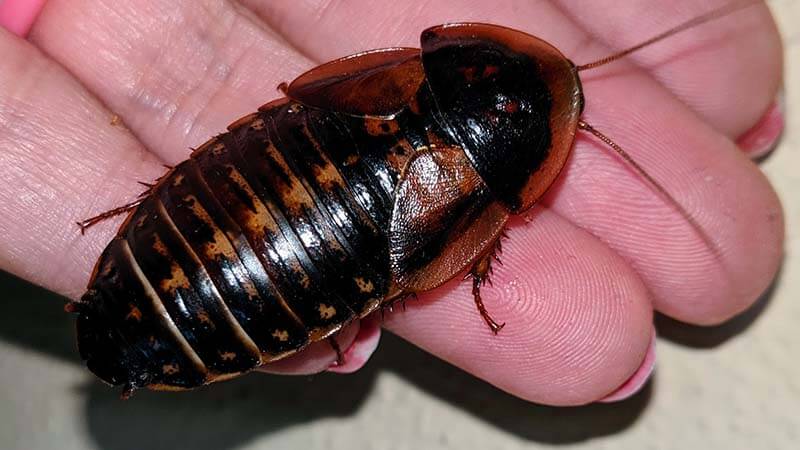
Exploration: An Inquiry Activity on the Dubia Roach
A short activity for day one in the science class. Give students a live animal to observe, like a dubia roach. They write observations, questions, and make inferences to share with the class.
-

OpenStax Reading Guides
I use Openstax Biology 2e as a textbook for my AP Bio and dual credit class. Students can download this text for free, view it on their devices and print it out. You can even purchase a bound copy from Amazon for around $60, which is very reasonable for a textbook. This is the book…
-
Fortune Telling Fish
This activity is perfect for a first day or as an introduction to the scientific method. Though there isn’t quite as much cooperation as the “Saving Sam” activity, the fortune telling fish allows students to explore the nature of science together. The handout linked can be given to students, or you can also project them…
-
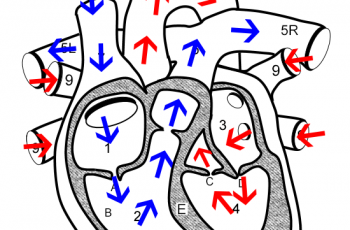
Anatomy of the Heart by Number
In this exercise, read about the structures of the heart and how blood flows through the systemic and pulmonary circuit. The text describes each structure (by number), you label with the names of the vessels and chambers of the heart. Use arrows to trace the flow of blood from the body, to the heart, then…
-
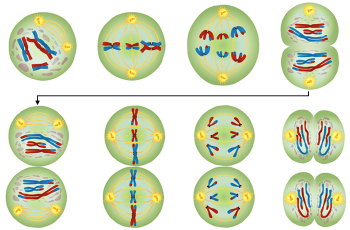
Meiosis Worksheet
Reinforce concepts related to meiosis and sexual reproduction. Students compare terms such as diploid and haploid, and label an image.
-
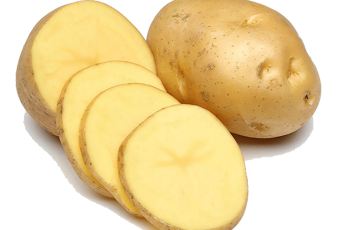
Investigation: The Effect of Salt on a Potato
Students observe how the mass of a potato slice changes when soaked overnight in salt water. The activity is intended to be done as part of a lesson on osmosis and hypertonic and hypotonic solutions. Students will need about 15 minutes to set up their cups, weigh their slices and make predictions about what they…
-
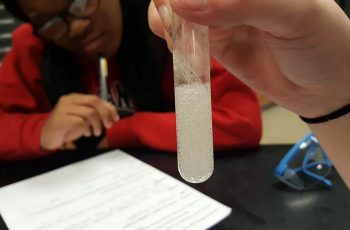
Investigation: How Do Enzymes Work?
This lab is fairly basic, but when given with guided instruction how enzymes catalyze reactions, students can have a hands-on experience into how proteins are related to function.
-
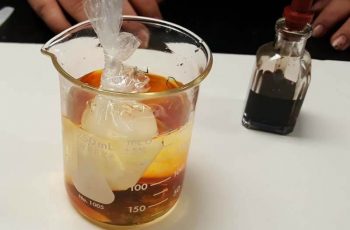
Investigation: How Can Diffusion Be Observed?
This investigation provides a hands-on way to observe what happens when a chemical moves across a semipermeable membrane. In this case, a cheap plastic bag serves as a model for the cell membrane and shows that iodine will move into the bag and turn the contents purple.
-
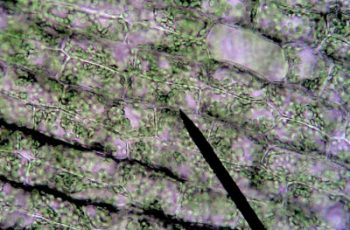
Using Anchoring Phenomenon with Lessons
Start lessons on osmosis with an activity and anchoring phenomenon. View cells exposed to salt and observe how they change!
-
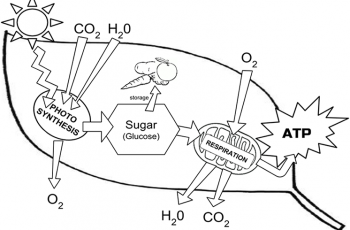
Photosynthesis Coloring
Students read short text passages and then color images to help them relate the textual information with the graphic.
-
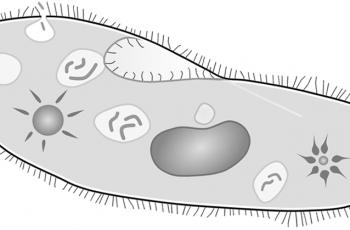
Comparing the Ameba to the Paramecium
With the adoption of NGSS, I’ve had to make cuts to some of the lessons that biology classes of the past enjoyed. I was sad to see it go, but we no longer do a unit on the Kingdom Protista, but I still manage to fit a microscope lab into other sections.
-
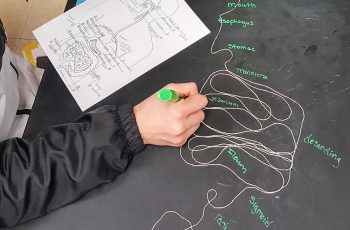
Modeling the Alimentary Canal
In this activity, students use string to model the gastrointestinal tract as a scale model. I’ve noticed that students do have difficulty with the concept of scaling, which is one of the crosscutting concepts listed in the NGSS. The directions give students measurements for a 1/3 scale model, the human alimentary canal is about 9…