
Category: Worksheets
-
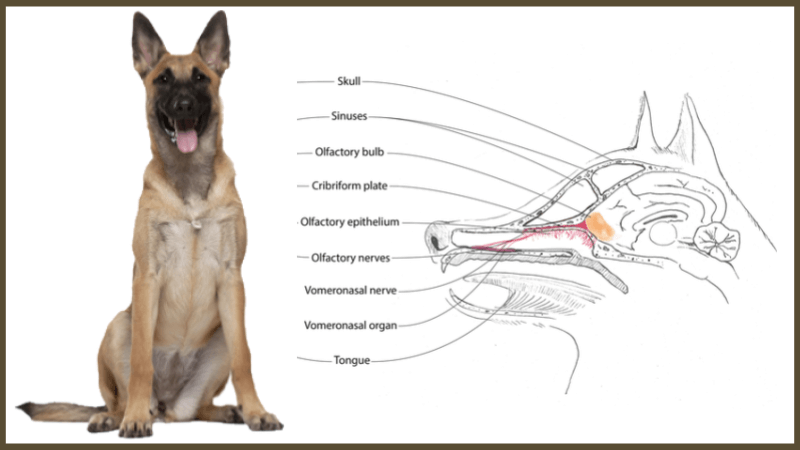
Cadaver Dogs – Unsung Heroes in Forensics
In this activity, students explore the fascinating role of cadaver dogs in forensic investigations. The lesson begins with students reading an engaging article detailing how cadaver dogs are trained, their unique capabilities, and real-world applications in solving crimes. Following the reading, students will answer a set of thought-provoking questions that test their comprehension and encourage…
-
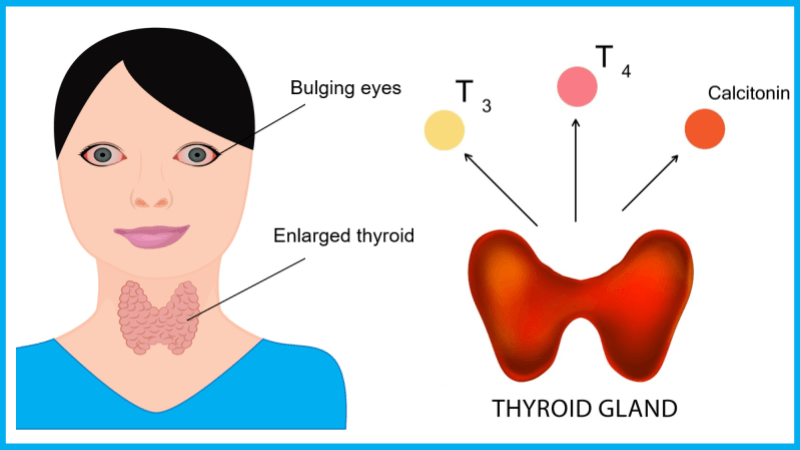
Case Study – A Grave Problem with the Endocrine System
Engage your students with a detailed, real-world case study about a young woman diagnosed with Graves’ disease. This activity introduces students to the endocrine system, focusing on the thyroid and pituitary glands. Learn about the autoimmune processes behind Graves’ disease. The story begins with a college student that is experiencing fatigue, heart palpitations, and weight…
-
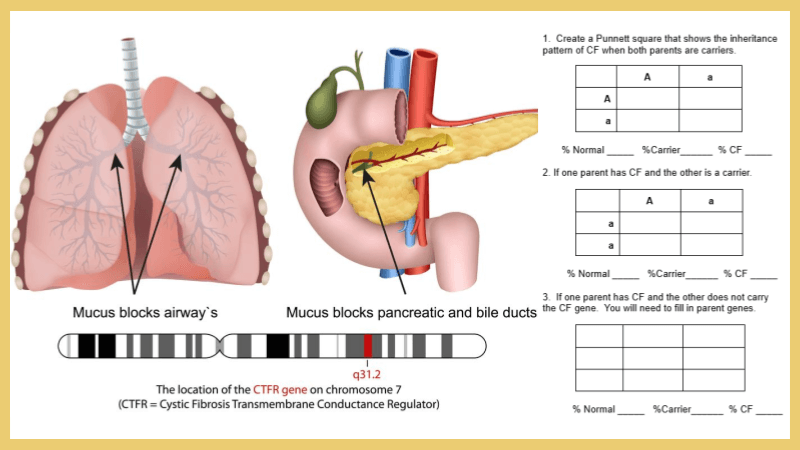
Cystic Fibrosis – Overview and Genetics
Cystic fibrosis (CF) is a genetic disorder that affects the lungs, digestive system, and other parts of the body. Mutations in the CFTR gene on chromosome 7 leads to the production of thick, sticky mucus that can block airways and digestive ducts. Patients deal with lung infections and lack of nutrition because the mucus interferes…
-
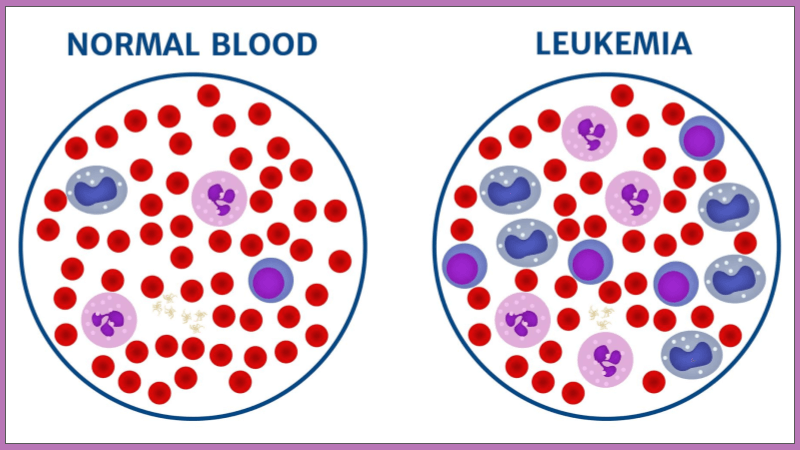
Case Study – Ethan’s Journey with Leukemia
Are you looking for an engaging way to teach high school biology? Real-world connections can make a huge impact on your students’ understanding of complex topics like the human body, cell function, and diseases. That’s why we’ve created Case Study: Understanding Leukemia Through Ethan’s Story—a resource designed to bring the science of leukemia to life…
-
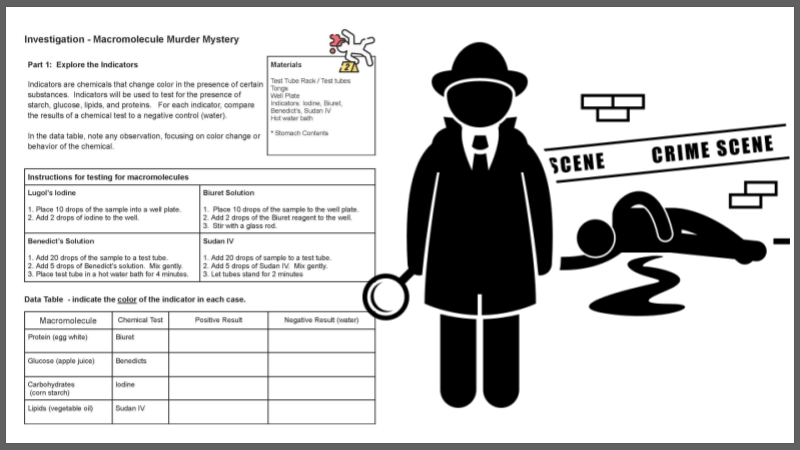
Murder Mystery Macromolecule Lab
If you’re looking for a creative and engaging way to teach biological macromolecules, look no further than this murder mystery lab activity. Students become forensic scientists, analyzing evidence to solve a crime. Using Lugol’s iodine, Biuret solution, Benedict’s solution, and Sudan IV, students will identify macromolecules in the contents of a victim’s stomach and match…
-
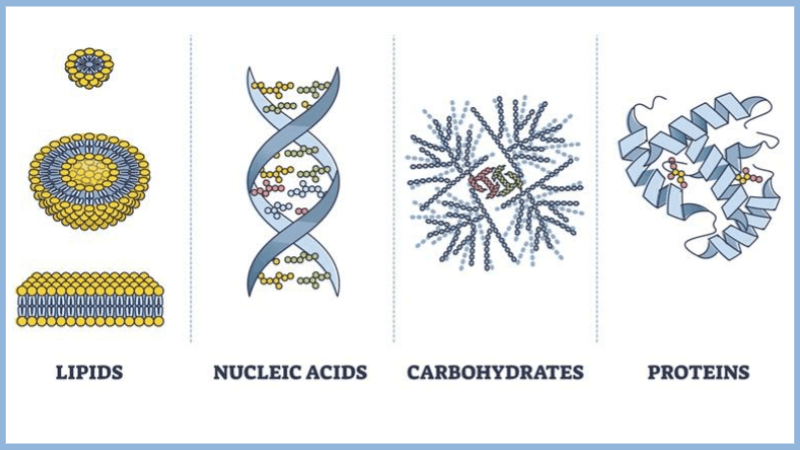
Biomolecules Practice and Reinforcement
Biological macromolecules are large, complex molecules essential for life, playing key roles in the structure, function, and regulation of cells. The four main types—carbohydrates, lipids, proteins, and nucleic acids—each serve unique and vital purposes. Students in AP Biology will need to know the properties of monomers and the types of bonds that connect them to…
-

Facebook Suspended and Disabled
If you are wondering why I haven’t been active on my Facebook/biologycorner page, then let me share the story of how I got cancelled by Meta. Before you ask, I didn’t do anything wrong, and my last post showed my pet bearded dragon in a Santa hat. I have been a Facebook user for over…
-
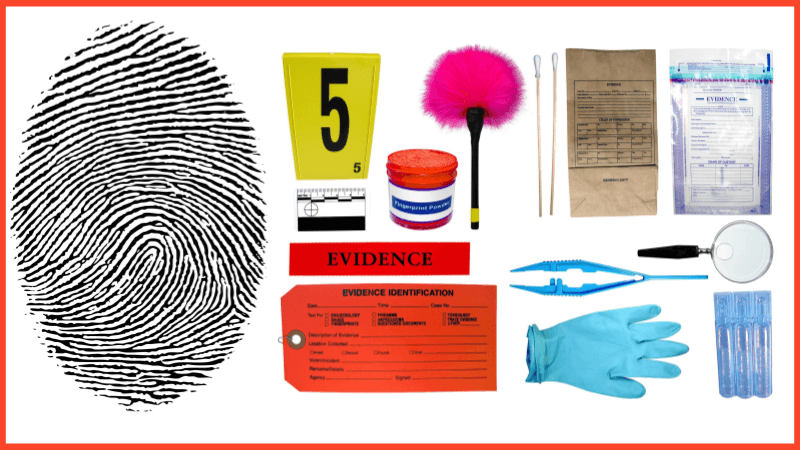
Science of Fingerprints: A Hands-On Activity
Fingerprint analysis is a fascinating way to explore individuality and forensic science. A lesson on this topic begins with an introduction to fingerprints, explaining their uniqueness and role in forensic investigations. Use Google slides to show students the science of fingerprinting. It covers the three main fingerprint patterns—loops, whorls, and arches—using clear diagrams and descriptions…
-
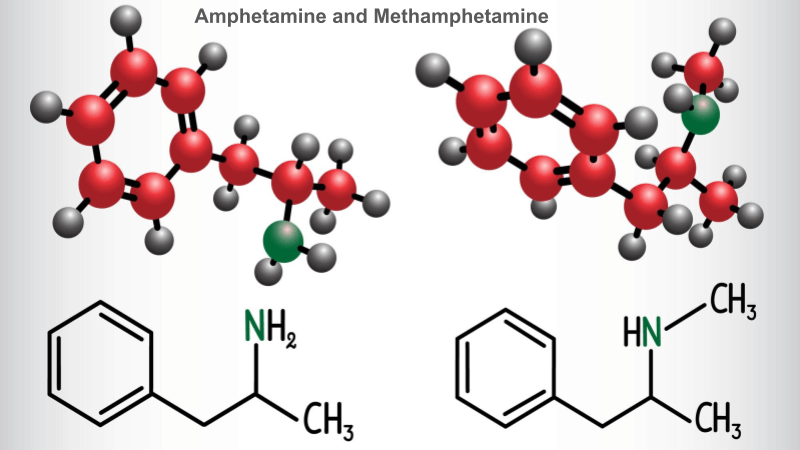
Exploring the Chemistry of Adrenaline
Explore the fascinating relationship between the structure and function of four important molecules: adrenaline, phenylephrine, pseudoephedrine, and methamphetamine. These compounds share a common framework but differ in their functional groups, which affects how they work in the body. By coloring the diagrams, students identify key features, such as hydroxyl and methyl groups. Small changes can…