Plantlike Protists: Unicellular Algae


- contain chlorophyll and carry out photosynthesis
- commonly called algae
- four phyla: euglenophytes, chrysophytes, diatoms, dinoflagellates
- accessory pigments help absorb light, give algae a variety of colors
Euglenophytes
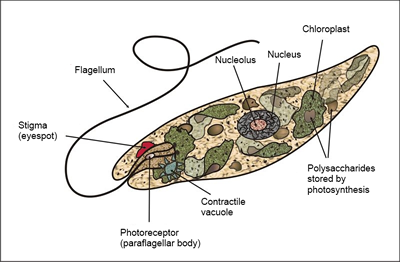
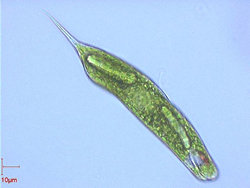
Euglena (See Euglena Coloring Sheet )
live in water
have flagella for movement
use chloroplasts for photosynthesis, but can turn into heterotrophs if they are kept in the dark
eyespot used for sensing light and dark
pellicle - like a cell wall, helps maintain their shapes
Chrysophytes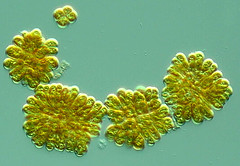 |
Diatoms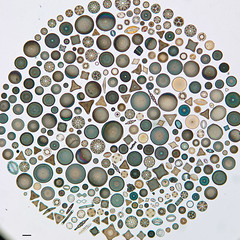 |
Dinoflagellates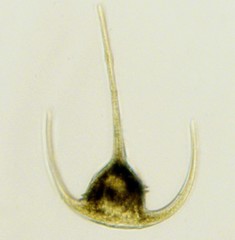 |
Ecology of Unicellular Algae
- make up the base of aquatic food chains
- phytoplankton makes up half of the photosynthesis that occurs on earth (oxygen)
- can cause Red Tides - algal blooms - which are toxic
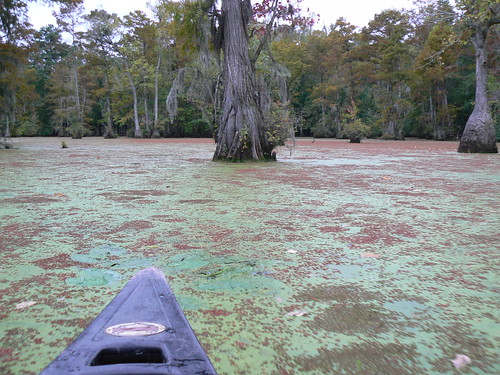
Plantlike Protists: Red, Brown, Green Algae
Green Algae: Phylum Chlorophyta
Unicellular green algae, Colonial (volvox), Multicellular (ulva, sea lettuce)
Spirogyra
live in water, multicellular
named after a spiral shaped chloroplast
autotrophic

Funguslike Protists
- heterotrophs, decomposers
- called slime molds and water molds
- water molds responsible for the Irish Great Potato Famine
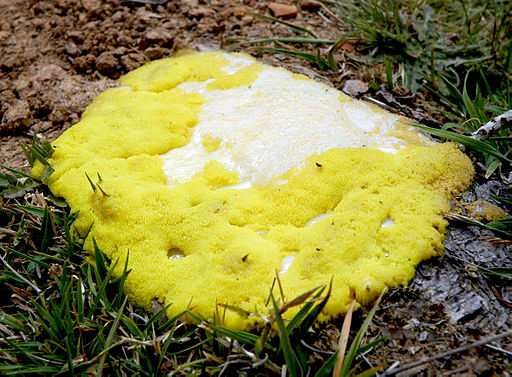
Dog Vomit Slime Mold - because it looks like dog puke, but it's really a protist, in the phylum Myxomycota

